What Does a Fulfillment Center Job Look Like?
What Does a Fulfillment Center Job Look Like?
Curious what really happens inside a fulfillment center?
Ever wonder what a normal workday looks like behind the scenes?
Thinking about working in logistics or partnering with a fulfillment provider?
I get these questions all the time.
Most people see the box on their doorstep—but not the work behind it.
Let’s break it down.
No hype.
Just a clear, honest look at what a fulfillment center job actually involves.

What Is a Fulfillment Center?
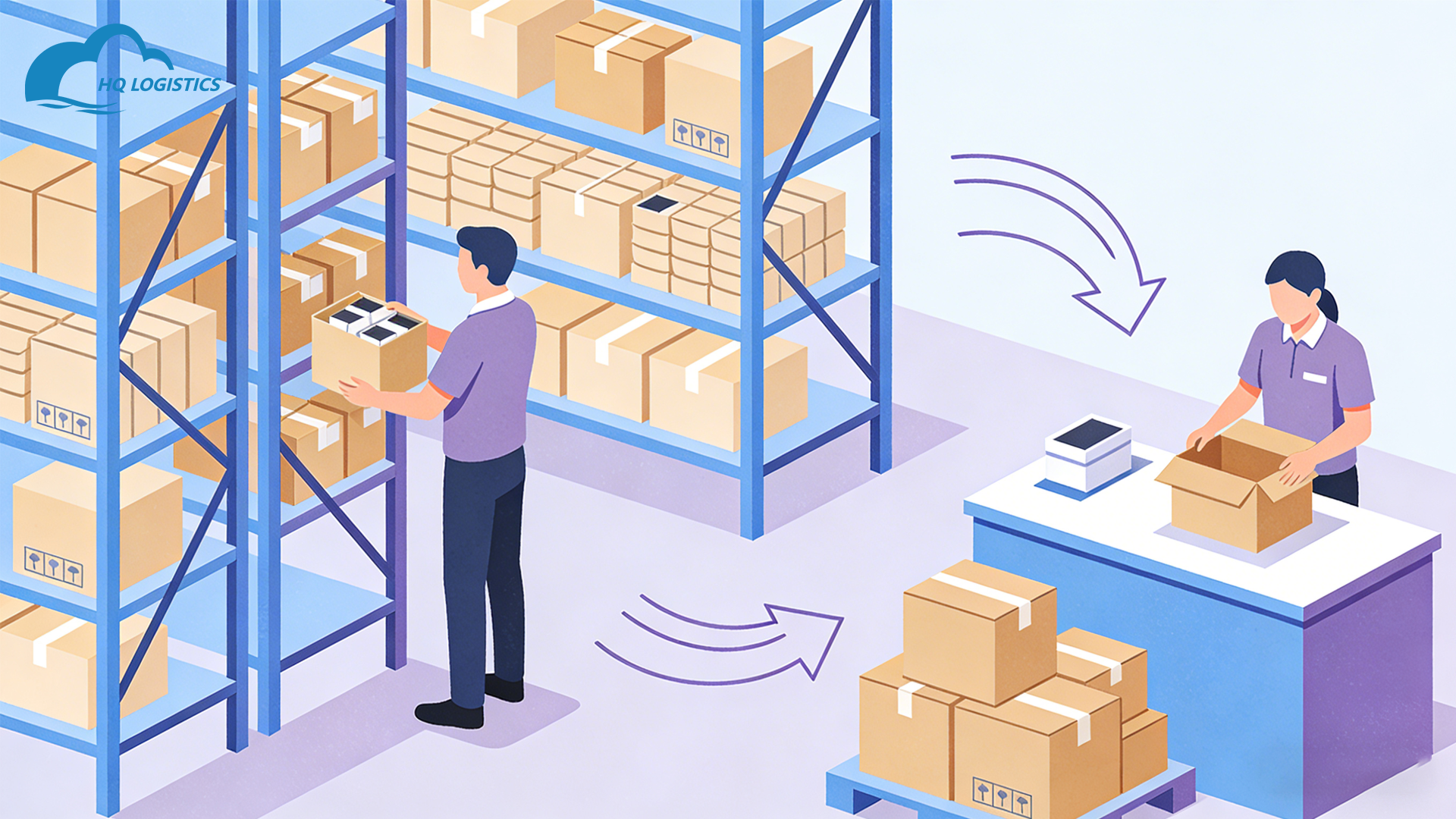
A fulfillment center is where orders come to life.
It’s the place where:
-
Inventory is stored
-
Orders are picked and packed
-
Shipments are dispatched to customers
Unlike a simple warehouse, fulfillment centers move fast.
Every minute matters.
Common Roles Inside a Fulfillment Center
A fulfillment center is a team effort.
Different roles keep things moving smoothly.
Warehouse Associate
This is the backbone role.
Daily tasks include:
-
Picking products from shelves
-
Packing orders accurately
-
Labeling shipments
-
Preparing packages for carriers
Accuracy matters more than speed at first.
Speed comes with experience.
Quality Control (QC) Staff
QC prevents problems before customers see them.
Responsibilities include:
-
Checking product condition
-
Verifying quantities
-
Confirming correct packaging
-
Flagging defects or errors
One missed check can mean:
-
Returns
-
Refunds
-
Bad reviews
QC protects the brand.
Inventory Manager
This role focuses on balance.
Key duties:
-
Tracking stock levels
-
Monitoring inventory aging
-
Planning restocks
-
Reducing overstock and shortages
Good inventory control keeps fulfillment smooth.
Bad control creates chaos.
Shipping & Logistics Coordinator
This role connects the warehouse to the outside world.
Tasks include:
-
Booking shipping lines
-
Scheduling carrier pickups
-
Managing cutoff times
-
Handling shipping exceptions
They make sure orders actually leave on time.
Team Lead or Supervisor
Supervisors keep everything aligned.
Their focus:
-
Workflow planning
-
Staff coordination
-
Performance tracking
-
Problem-solving on the floor
When issues happen,
they’re the first responders.
A Typical Day in a Fulfillment Center
No two days are identical.
But the rhythm is consistent.
Morning: Planning & Prep
The day usually starts with:
-
Reviewing order volume
-
Assigning staff by workload
-
Checking inventory availability
Peak days need tighter planning.
Slow days focus on organization.
Midday: Picking, Packing, and QC
This is the busiest window.
You’ll see:
-
Pickers moving fast but carefully
-
Packers sealing boxes
-
QC checks happening continuously
Efficiency is built into the flow.
Every step has a purpose.
Afternoon: Shipping & Dispatch
Later in the day, the focus shifts.
Tasks include:
-
Final order verification
-
Handover to carriers
-
Updating tracking info
Missing a cutoff means a delay.
Timing is everything.
Skills Needed for Fulfillment Center Jobs
You don’t need a fancy degree.
But you do need the right mindset.
Important skills include:
-
Attention to detail
-
Time management
-
Physical stamina
-
Team communication
Experience helps.
Consistency matters more.

Tools Used in a Fulfillment Center
Technology runs the floor.
Common tools include:
-
Warehouse Management Systems (WMS)
-
Barcode scanners
-
Packing stations with digital scales
-
Inventory dashboards
These tools reduce errors.
They also increase accountability.
Physical Demands of the Job
Let’s be honest.
Fulfillment work is physical.
Expect:
-
Standing for long hours
-
Repetitive motions
-
Lifting packages
Good centers rotate tasks.
That reduces strain and burnout.
Work Environment & Pace
The environment is structured.
You’ll notice:
-
Clear workflows
-
Defined roles
-
Measurable performance metrics
During peak seasons:
-
Pace increases
-
Shifts may extend
-
Pressure rises
That’s part of the job.
A Short Real-Life Example
I once spoke with a fulfillment supervisor during a holiday rush.
He said:
“People think speed is everything.
But one wrong label can undo an entire day.”
That mindset sums it up.
Precision beats rushing.
Career Growth in Fulfillment Centers
This isn’t always a dead-end job.
Many supervisors started on the floor.
Growth paths include:
-
Team lead
-
Operations manager
-
Logistics coordinator
-
Supply chain analyst
Strong performers move up quickly.
How Fulfillment Jobs Impact Ecommerce Brands
Every fulfillment job affects the customer.
Good work leads to:
-
Faster delivery
-
Fewer errors
-
Better reviews
Poor work shows up fast.
Customers notice everything.
Fulfillment teams protect brand reputation.
Fulfillment Center Jobs vs Traditional Warehousing
They’re not the same.
Key differences:
-
Faster order cycles
-
Higher accuracy requirements
-
More technology involvement
Fulfillment is retail-driven.
Warehousing is storage-driven.

FAQs: Fulfillment Center Jobs
1. Is fulfillment center work stressful?
It can be during peak seasons.
Clear processes reduce pressure.
2. Do fulfillment jobs require experience?
Not always.
Many centers train from day one.
3. Are fulfillment center jobs physically demanding?
Yes.
But proper rotation and breaks help.
4. What hours do fulfillment centers operate?
Most run multiple shifts.
Some operate 24/7 during peak periods.
5. Is there long-term career potential?
Absolutely.
Operations experience is highly transferable.
Final Thoughts
A fulfillment center job isn’t glamorous.
But it’s essential.
Every packed box represents:
-
A promise
-
A deadline
-
A customer’s trust
When fulfillment teams do their job well,
brands grow.
And now you know what a fulfillment center job really looks like—
from the inside out.