Fulfillment for Amazon Sellers: Prep, Labeling & Shipping to FBA or Direct Ship
Fulfillment for Amazon Sellers: Prep, Labeling & Shipping to FBA or Direct Ship
Confused about Amazon fulfillment rules?
Not sure whether to ship to FBA or directly to customers?
Worried one small prep mistake could delay your entire shipment?
You’re not alone.
Amazon fulfillment looks simple from the outside.
Behind the scenes, it’s all about precision.
Let’s break it down clearly.
No jargon overload.
Just how fulfillment actually works for Amazon sellers.
What Fulfillment Means for Amazon Sellers
Fulfillment is everything that happens after production.
It includes:
-
Product prep
-
Labeling
-
Packing
-
Shipping to FBA or directly to customers
Amazon is strict.
If prep or labels are wrong, shipments get rejected.
Getting this right saves time, money, and stress.
Two Main Fulfillment Paths for Amazon Sellers
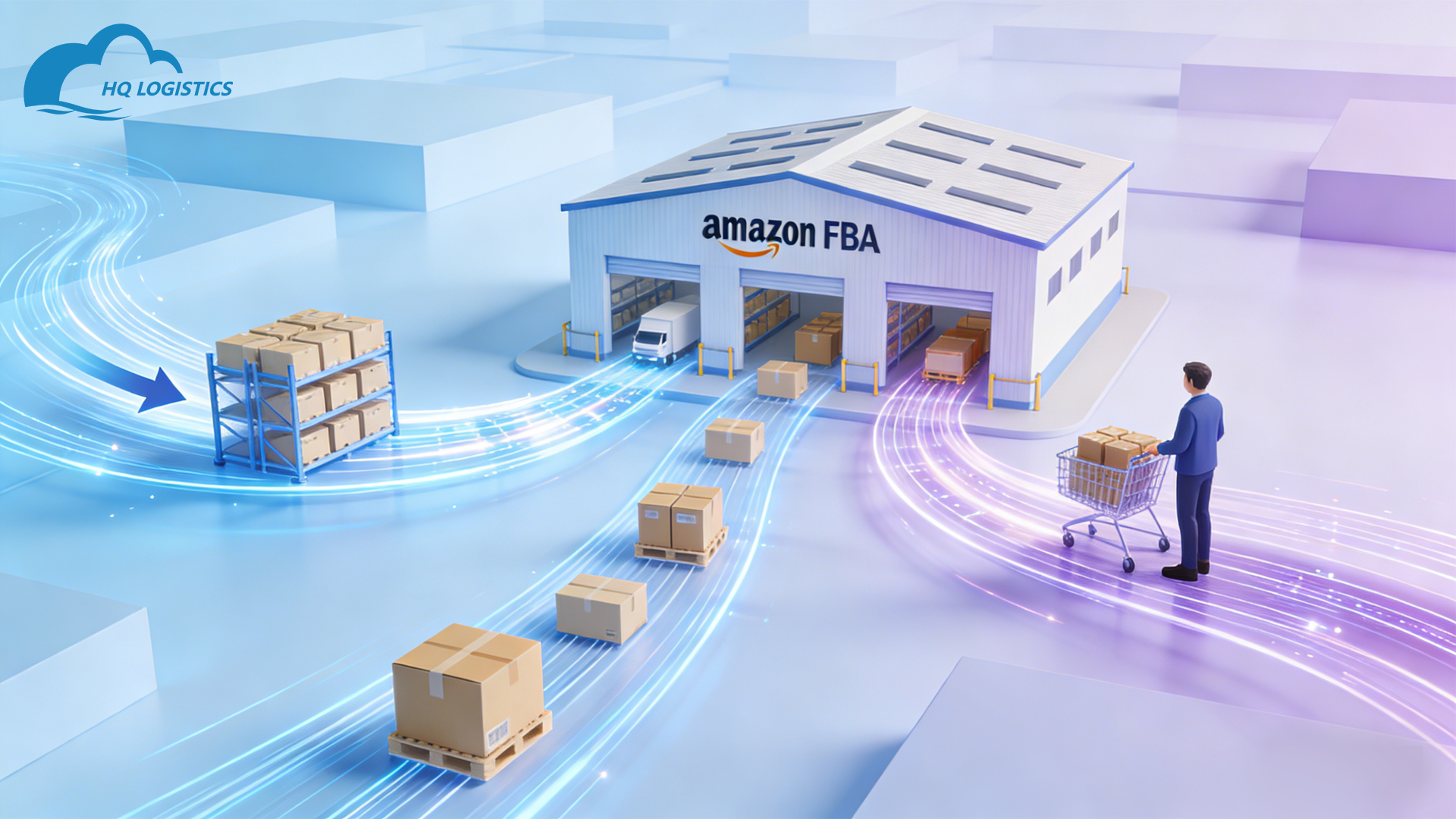
Amazon sellers usually choose one of two routes.
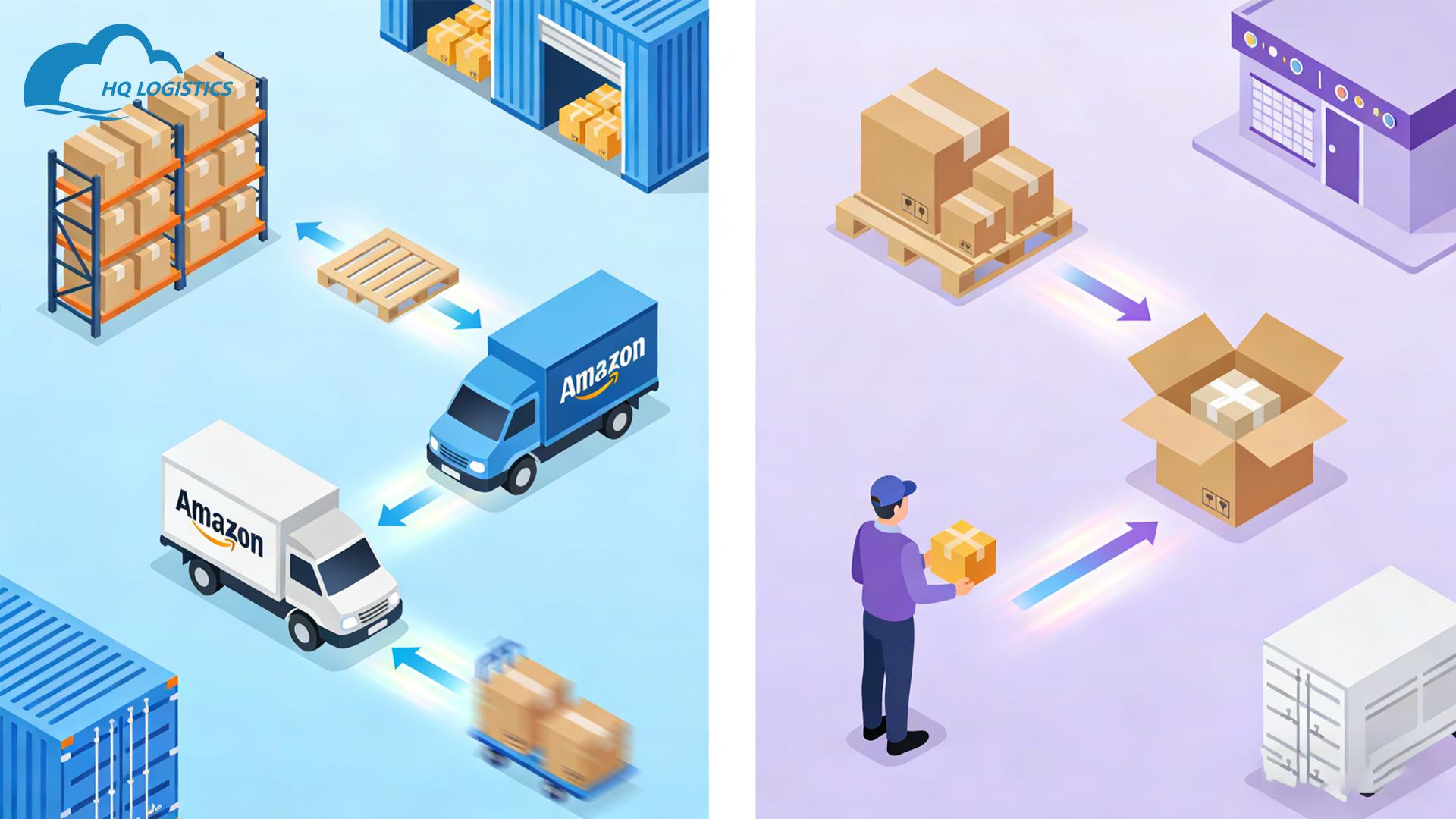
Fulfillment by Amazon (FBA)
You send inventory to Amazon warehouses.
Amazon handles:
-
Storage
-
Picking
-
Packing
-
Last-mile delivery
-
Returns
You control prep.
Amazon controls delivery.
Direct Ship (FBM or Seller-Fulfilled)
You ship directly to customers.
You control:
-
Inventory
-
Packing
-
Shipping speed
-
Customer experience
More control.
More responsibility.
Amazon FBA Prep: What Amazon Expects
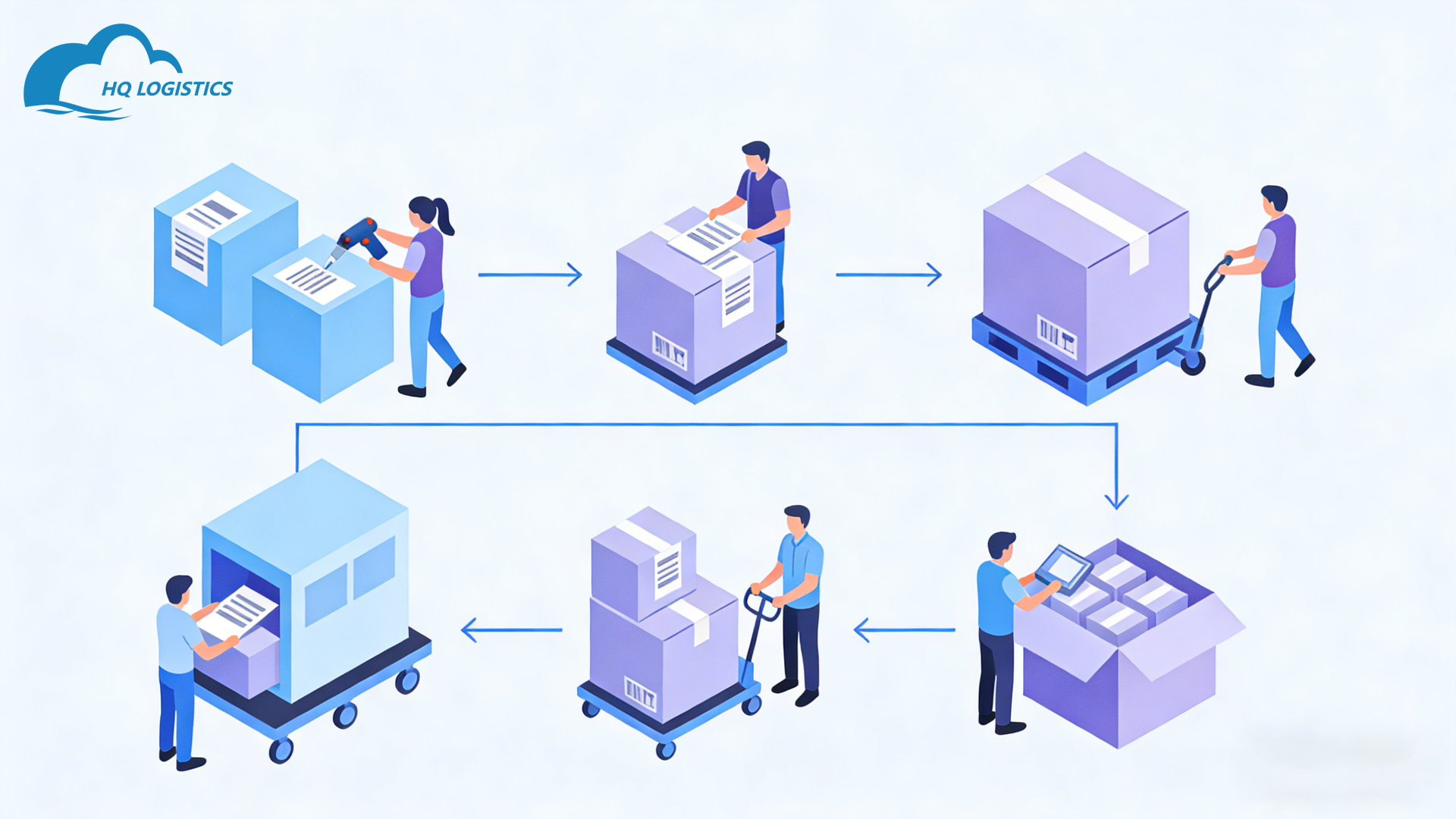
Amazon prep rules exist for one reason: efficiency.
Common FBA Prep Requirements
Depending on product type:
-
Polybagging
-
Bubble wrapping
-
Taping
-
Suffocation warnings
Amazon won’t fix mistakes for free.
They’ll charge—or reject the shipment.
Packaging Basics for FBA
Key rules:
-
Boxes must be sturdy
-
No loose items inside cartons
-
Products must survive a 3-foot drop
If Amazon workers struggle to handle it,
your shipment is at risk.
Labeling for Amazon: No Room for Error
Labeling errors are the #1 reason shipments fail.
Required Amazon Labels
Most products need:
-
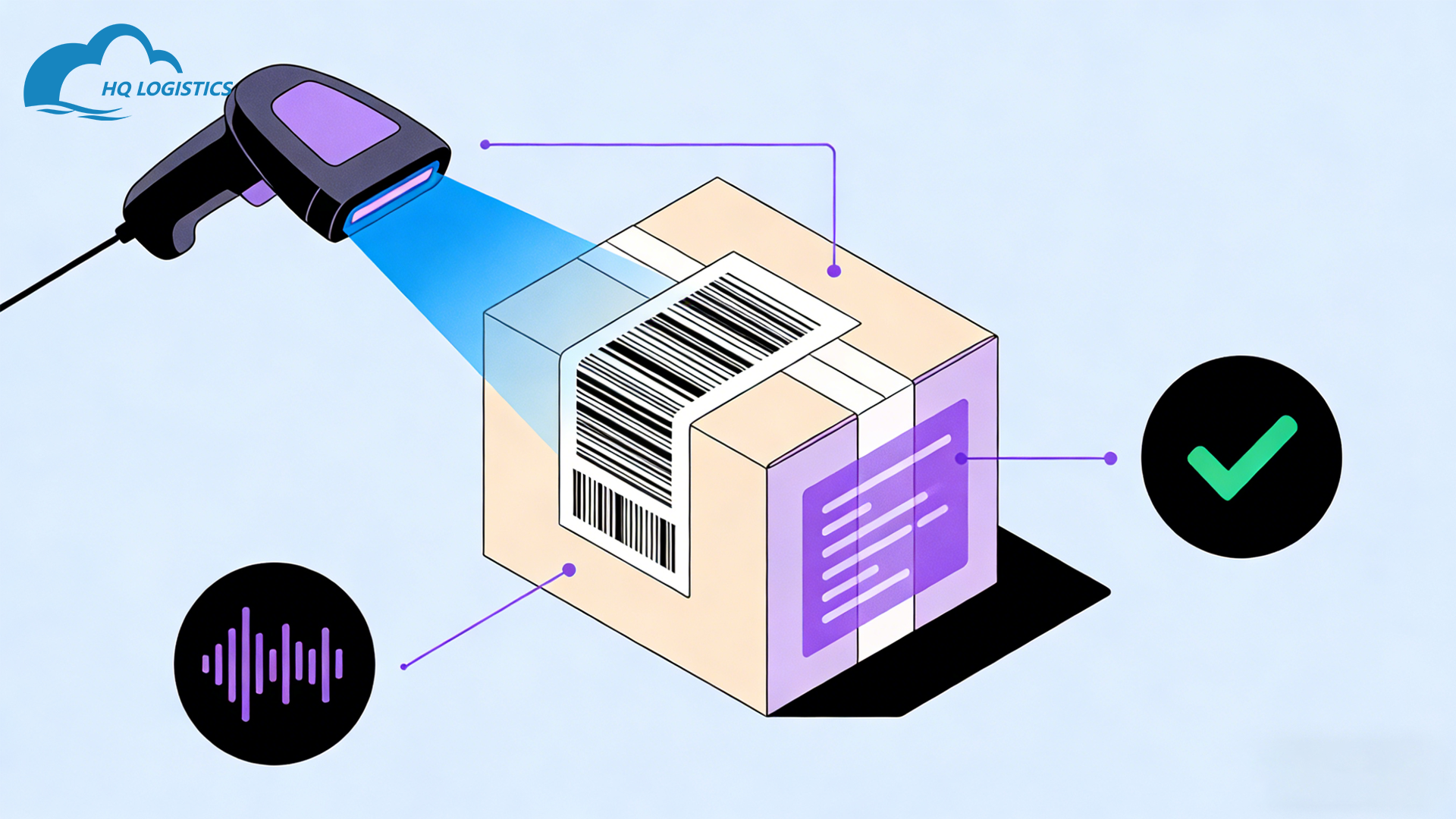
FNSKU label
-
Carton labels
-
Shipping labels
Each label has a purpose.
Missing one breaks the system.
Labeling Best Practices
Follow these rules:
-
One FNSKU per unit
-
Labels must cover any existing barcode
-
Clear, scannable, and not wrinkled
Small details matter.
Amazon scanners don’t guess.
Shipping to Amazon FBA Warehouses
Shipping to FBA isn’t “send and forget.”
You’ll need to:
-
Create a shipment plan in Seller Central
-
Follow box quantity rules
-
Use approved carriers or freight forwarders
Amazon may split inventory across locations.
Plan lead times accordingly.
LTL vs Small Parcel Delivery
Two main shipping options:
-
Small Parcel Delivery (SPD)
-
Less-than-Truckload (LTL)
SPD is simpler.
LTL is cheaper at scale.
Choose based on volume, not habit.
Direct Shipping: When It Makes Sense
Direct ship works well when:
-
Products are oversized
-
Margins are tight
-
Branding matters
-
You want control over packaging
You skip Amazon storage fees.
But you handle customer expectations.
Direct Ship Fulfillment Essentials
If you ship directly:
-
Set clear delivery times
-
Use reliable carriers
-
Provide tracking fast
Amazon tracks performance closely.
Late shipments hurt your account health.
Quality Control Before FBA or Direct Ship
Never ship blind.
Before shipping:
-
Inspect product condition
-
Verify quantities
-
Check labels and packaging
Fixing issues in China is cheaper
than fixing them after arrival.
A Short Real Example
One Amazon seller rushed inventory to FBA.
Mistake?
-
Incorrect FNSKU labels
Result:
-
Entire shipment rejected
-
Two-week delay
-
Lost ranking momentum
After switching to pre-shipment checks,
those problems disappeared.
Common Mistakes Amazon Sellers Make
Avoid these at all costs:
-
Assuming suppliers know Amazon rules
-
Skipping inspections
-
Mixing SKUs in one carton incorrectly
-
Choosing shipping based only on price
Amazon doesn’t make exceptions.
FBA vs Direct Ship: Quick Comparison
FBA
-
Faster Prime delivery
-
Less daily work
-
Less control
Direct Ship
-
More flexibility
-
More responsibility
-
Stronger branding options
There’s no universal answer.
Many sellers use both.
When to Combine FBA and Direct Ship
Hybrid strategies work well.
Examples:
-
FBA for fast-moving SKUs
-
Direct ship for oversized or slow sellers
This reduces fees
and keeps inventory flexible.
FAQs: Amazon Fulfillment
1. Can I prep FBA inventory outside Amazon?
Yes.
Prep can be done before shipment to Amazon.
2. What happens if labels are wrong?
Amazon may relabel for a fee
or reject the shipment entirely.
3. Is FBA always faster than direct ship?
Not always.
Well-managed direct ship can match delivery speed.
4. Do I need inspections before FBA?
Strongly recommended.
Amazon won’t check quality for you.
5. Can I change fulfillment methods later?
Yes.
Many sellers switch as their business grows.
Final Thoughts
Amazon fulfillment rewards discipline.
If you:
-
Follow prep rules
-
Label accurately
-
Choose the right shipping method
You avoid delays, penalties, and stress.
Whether you ship to FBA or direct to customers,
control comes from preparation.
That’s how smart Amazon sellers scale fulfillment—
without losing control or margin.