How To Scale From 100 to 1,000 Orders/Day with a China Fulfillment Partner
How To Scale From 100 to 1,000 Orders/Day with a China Fulfillment Partner
Stuck at 100 orders a day?
Ads are working, traffic looks fine, but growth feels risky?
I hear this a lot.
The jump from 100 to 1,000 orders per day isn’t about finding a new product.
It’s about whether your fulfillment system can handle pressure without breaking.
This is where a China fulfillment partner becomes a real growth lever—not just a cost decision.
Let me walk you through what actually changes when stores scale successfully.
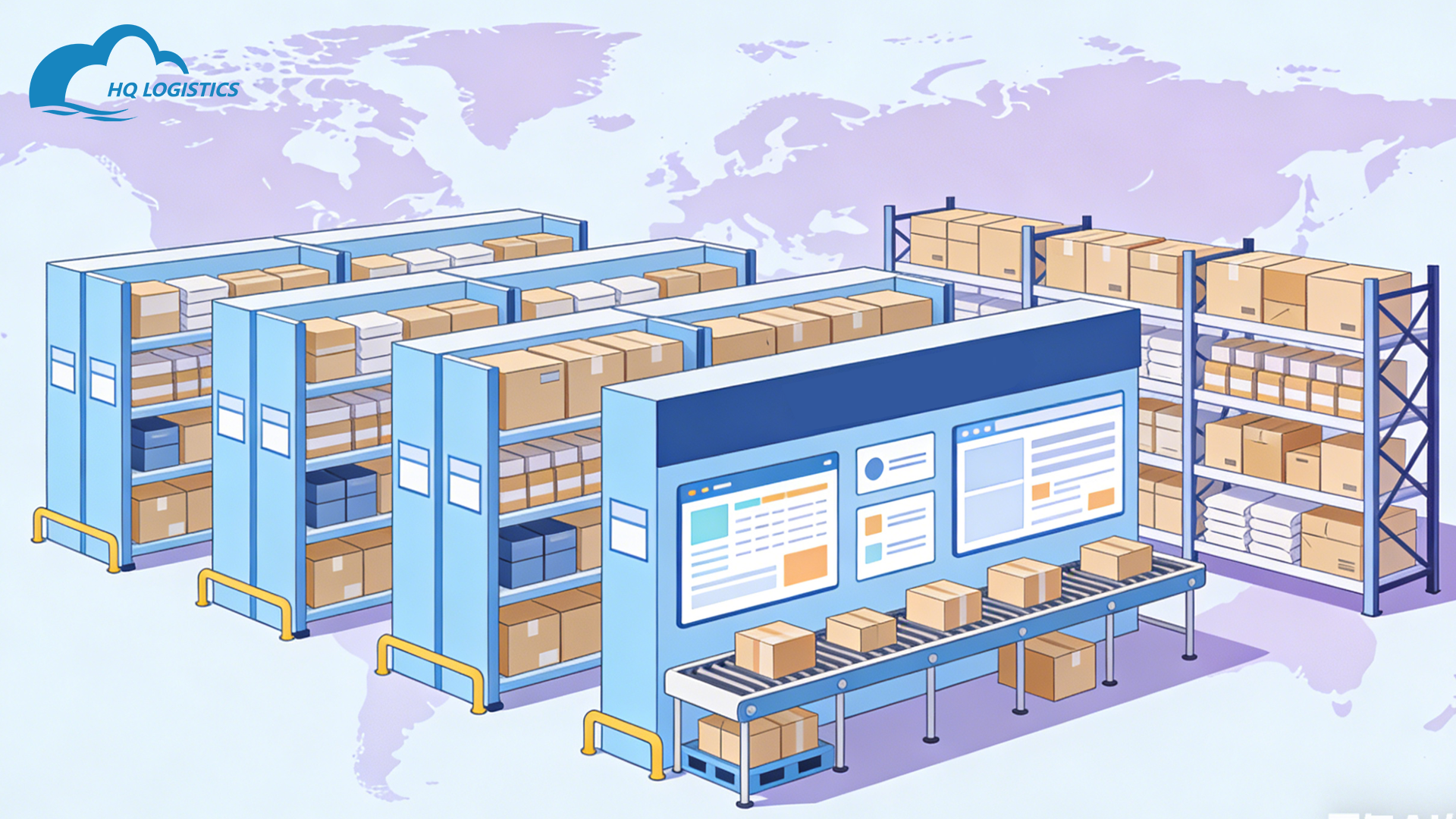
Why Scaling Feels Harder Than Starting
At 100 orders a day, most stores are still flexible.
Manual order checks
Supplier chats on WeChat
Fixing problems one by one
It works… until it doesn’t.
At 1,000 orders a day:
Small delays turn into hundreds of complaints
One stock mistake creates thousands in refunds
Shipping instability destroys ad performance
The issue isn’t effort.
It’s that manual systems don’t scale.
What Breaks First When Order Volume Explodes
Before talking solutions, let’s be honest about the weak points.
Inventory Visibility
Most fast-growing stores don’t really know:
What’s actually in stock
Which SKUs are aging
Which products generate most of the profit
At low volume, guessing is survivable.
At scale, guessing is expensive.
Supplier Bottlenecks
Factories move at factory speed, not ad speed.
Delayed updates
Partial production
Missed timelines
Without a buffer, your growth depends on too many “ifs.”
Shipping Instability
Shipping costs and delivery times change constantly.
Carrier adjustments
Peak-season surcharges
Line suspensions
When shipping becomes unpredictable, customers notice—and churn.
Why a China Fulfillment Partner Changes the Equation
A real China fulfillment partner isn’t just storage space.
They act as:
An inventory buffer
A process manager
A shipping stabilizer
Most importantly, they separate growth from operational stress.
That separation is what allows you to scale calmly.
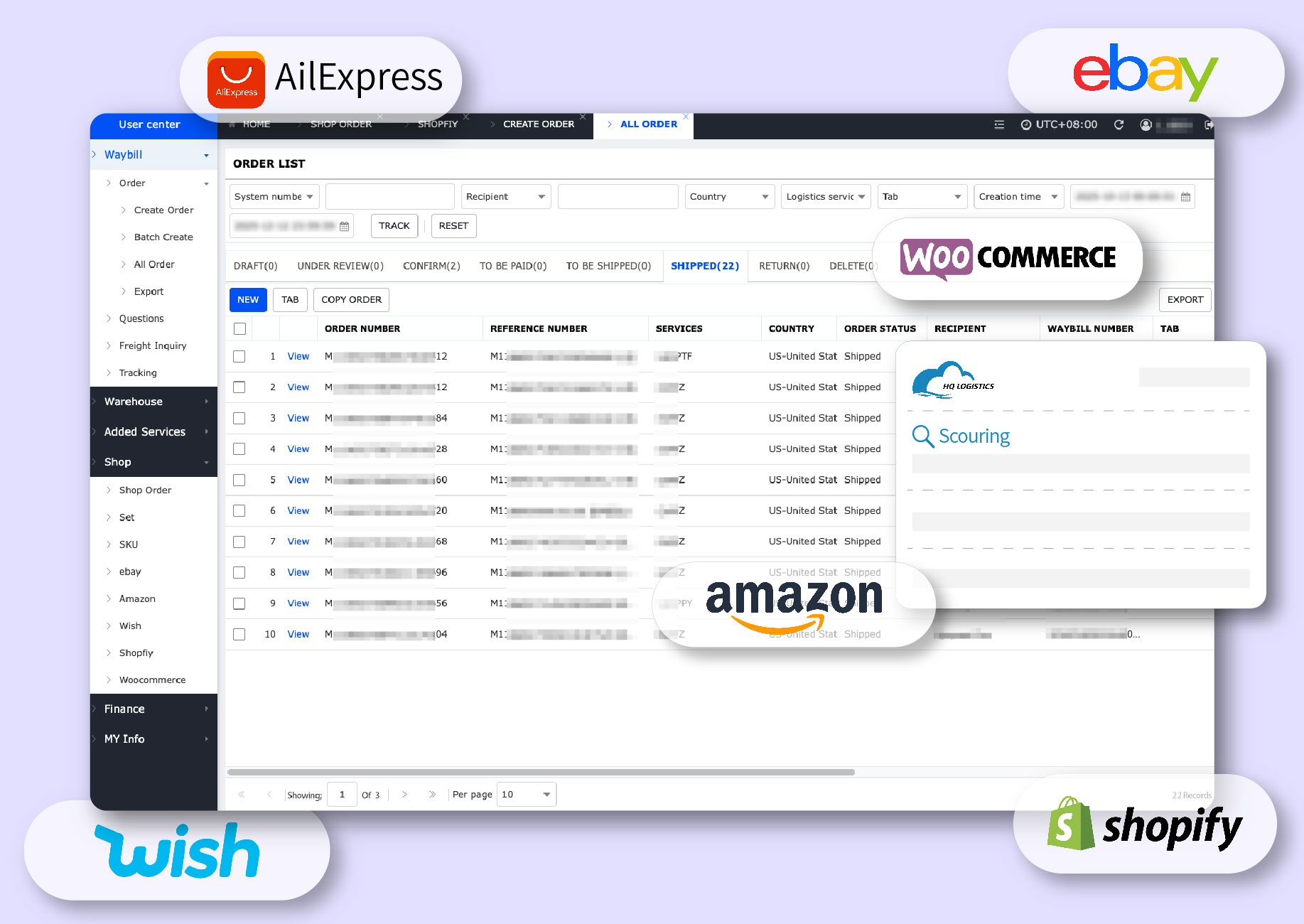
Step 1: Centralize Inventory Before You Push Volume
You can’t scale what you can’t see.
With proper fulfillment integration, you get:
Real-time inventory sync
SKU-level tracking
Clear stock alerts
This lets you:
Pause ads before stockouts
Scale winning products with confidence
Reduce dead inventory
Visibility creates control.
Control makes growth repeatable.
Step 2: Let Marketing Move Fast While Fulfillment Stays Stable
Here’s a mindset shift most sellers need.
Marketing should move quickly.
Fulfillment should be boring.
A strong China fulfillment partner:
Holds safety stock
Ships daily on fixed schedules
Absorbs supplier delays
This lets you increase ad spend without checking inventory every hour.
That peace of mind matters more than most people expect 🙂
Step 3: Standardize Packaging and Pick-Pack Rules
Customization feels good—until volume hits.
At scale, every extra decision costs time.
What works better:
Standard box sizes
Pre-approved inserts
Clear labeling rules
Standardization improves:
Packing speed
Error rates
Shipping consistency
Your fulfillment partner should help design this, not just execute it.
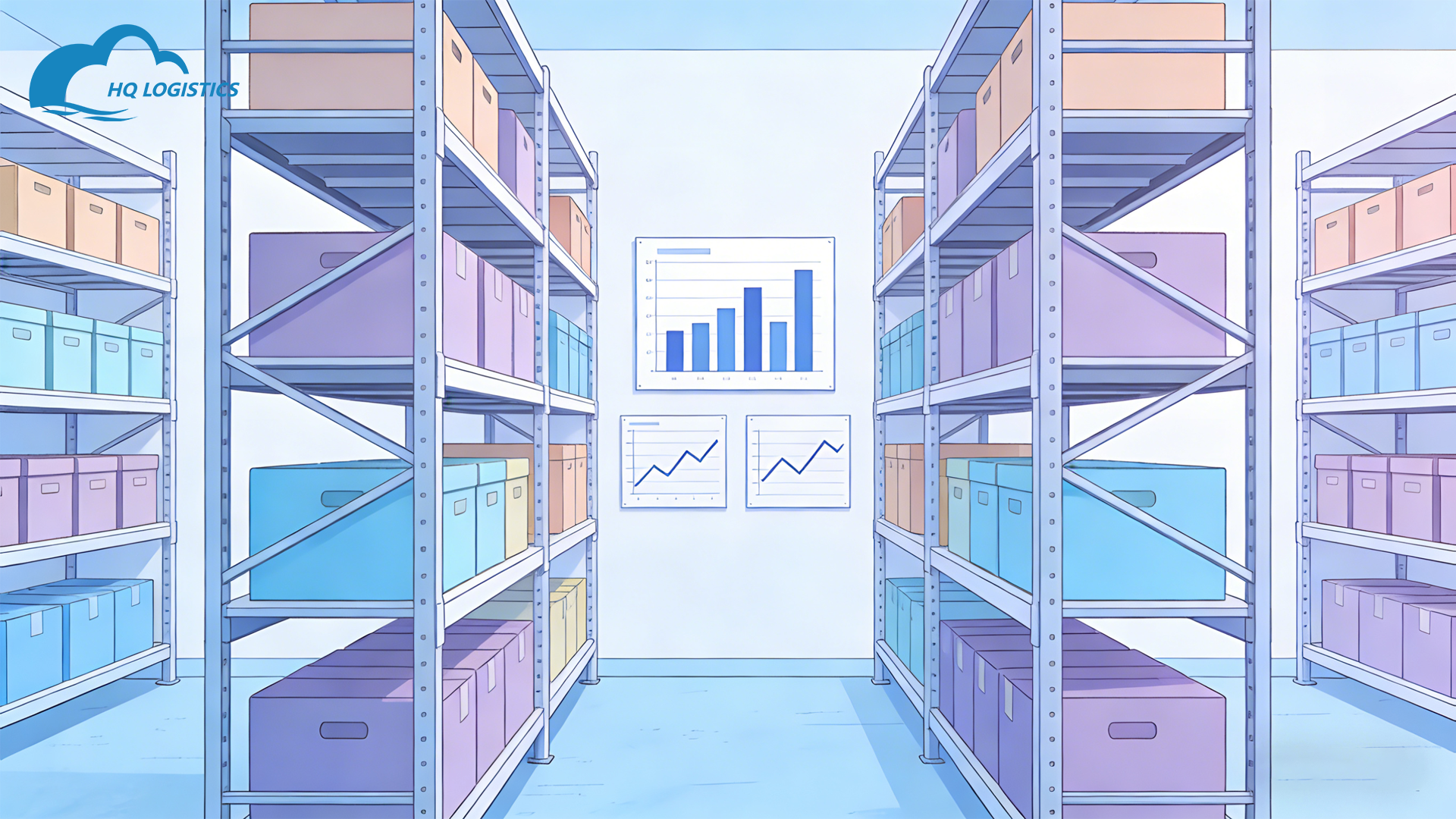
Step 4: Secure Shipping Lines Before You Actually Need Them
Many sellers look for shipping solutions only after delays start.
That’s already too late.
A China fulfillment partner helps you:
Test multiple routes early
Match SKUs to optimal lines
Switch lanes without operational shock
This matters most during:
Q1
Chinese New Year
Carrier policy changes
Stable shipping protects both margins and customer trust.
A Real Scaling Story
One Shopify brand selling home accessories came to us at about 120 orders/day.
A viral campaign pushed them to 700+ orders almost overnight.
Their supplier couldn’t keep up.
Orders piled up. Refunds spiked. Support tickets exploded.
They moved inventory into a China fulfillment setup.
Within weeks:
Orders stabilized around 900/day
Delivery time averaged 7–9 days
Customer complaints dropped significantly
Same products.
Same ads.
Different infrastructure.
That’s what fulfillment scale looks like.
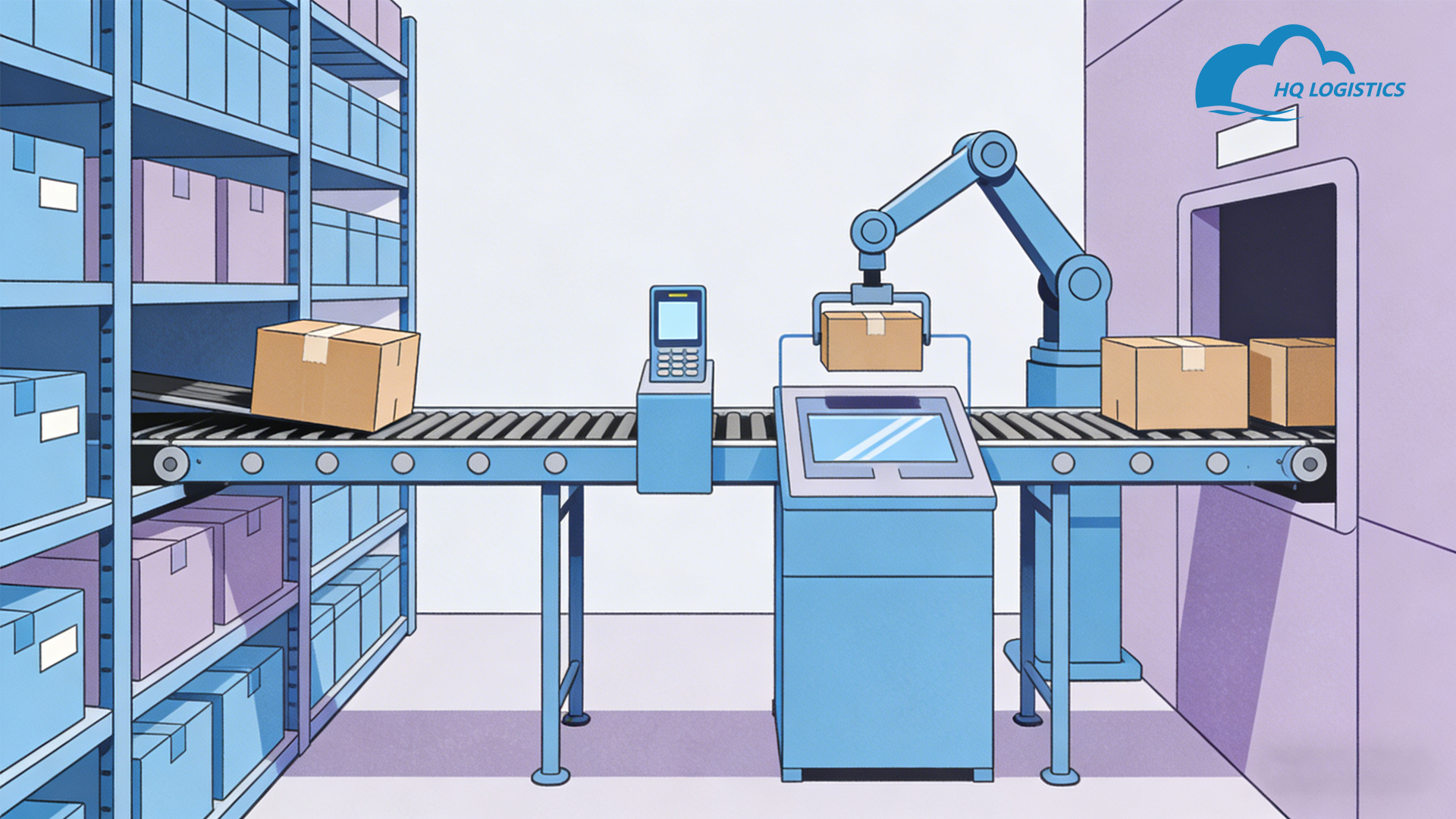
Step 5: Plan for Peaks, Not Averages
Most stores plan fulfillment based on normal days.
Scaling stores plan for worst days.
You should know:
Maximum daily processing capacity
Overtime handling options
Holiday staffing plans
If your fulfillment partner can’t answer clearly, scaling will be painful.
Step 6: Remove Manual Touchpoints Completely
Manual processes hide risk.
At scale, you want:
Automatic order sync from Shopify
Real-time tracking updates
Auto inventory deductions
If someone is exporting spreadsheets, growth will slow sooner or later.
Automation isn’t a luxury.
It’s basic infrastructure.
Step 7: Use Data to Decide What Deserves Scale
Not every product should grow.
Fulfillment data helps you see:
Order velocity by SKU
Inventory aging
Fulfillment cost per unit
This allows smarter decisions:
Push ads on high-margin SKUs
Bundle slow movers
Drop underperformers early
Scaling is about focus, not volume.
Common Mistakes Sellers Make When Scaling
A few patterns show up again and again:
Scaling ads before fixing operations
Relying on a single supplier
Choosing shipping purely on price
Ignoring fulfillment SLAs
Growth rewards systems, not shortcuts.

FAQ
When should I switch to a China fulfillment partner?
When you’re consistently around 80–100 orders/day.
That’s the safe point to prepare for scale.
Will fulfillment in China slow delivery times?
No—if done right, delivery often becomes more stable and predictable.
Do I need large inventory to scale?
No. You need planned inventory, not excess inventory.
Can one fulfillment partner handle multiple suppliers?
Yes. Good partners consolidate suppliers into one system.
What’s the biggest scaling mistake?
Scaling ads before fixing fulfillment infrastructure.
Final Thoughts
Scaling from 100 to 1,000 orders per day isn’t magic.
It’s about:
Visibility
Stability
Predictability
A reliable China fulfillment partner lets you grow without panic.
When fulfillment becomes boring,
scaling becomes possible.
And that’s exactly where you want to be.