Pharmacy & Regulated Products: Fulfillment Requirements & Compliance from China
Selling pharmacy or regulated products from China?
Wondering why fulfillment feels more complicated than normal eCommerce?
Concerned about customs, inspections, or compliance risks? 💊
You’re not overthinking it.
Fulfillment for regulated products is a completely different game.
I’ve worked with brands shipping supplements, medical devices, cosmetics, and OTC products from China.
The biggest mistakes usually happen before the first package ever leaves the warehouse.
This guide breaks down what actually matters.
Clear rules. Real risks. Practical advice.
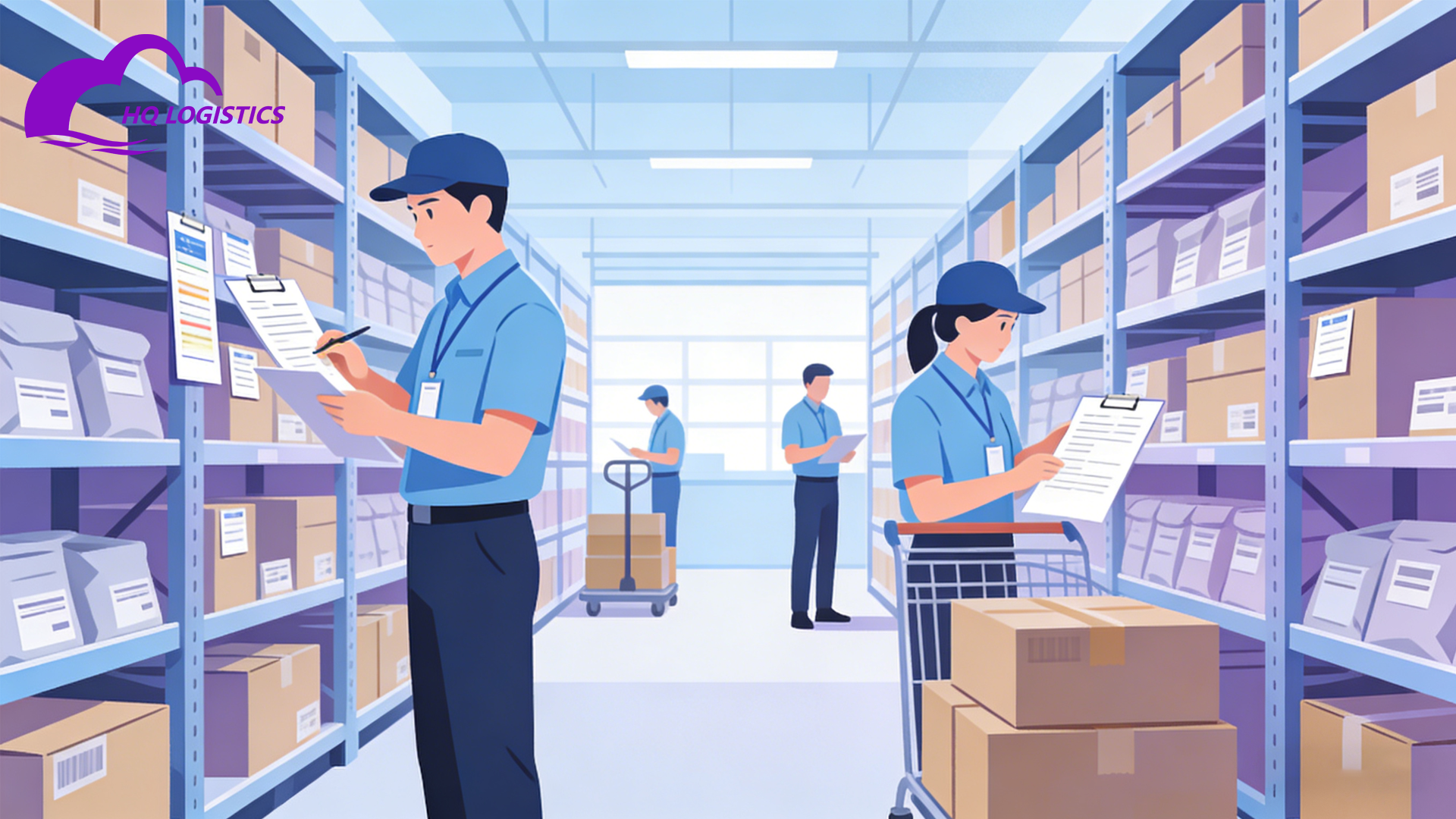
What Counts as “Pharmacy & Regulated Products”?
Not everything is regulated—but many sellers are surprised by what is.
Common regulated categories include:
-
OTC medications
-
Dietary supplements
-
Medical devices
-
Cosmetics with active ingredients
-
Health-related devices and wearables
Even products marketed as “wellness” can trigger reviews.
If a product affects the body, health, or diagnosis, regulators care.
And fulfillment must follow stricter standards.
Why Fulfillment Is More Complex for Regulated Products
Regular dropshipping focuses on speed and cost.
Regulated fulfillment focuses on control and documentation.
Key differences:
-
Extra paperwork at customs
-
Specific packaging requirements
-
Batch and lot tracking
-
Tighter warehouse handling rules
Skipping these steps doesn’t save money.
It creates delays, seizures, or permanent bans 😬
China Fulfillment Basics for Regulated Products
Before shipping anything, you need a compliant foundation.
Product Documentation Comes First 📄
Most regulated products require some form of documentation:
-
Product registration or filing
-
Ingredient lists
-
Manufacturer licenses
-
Test reports or certificates
Fulfillment centers cannot “fix” missing paperwork.
If documents are incomplete, shipments stop—no exceptions.
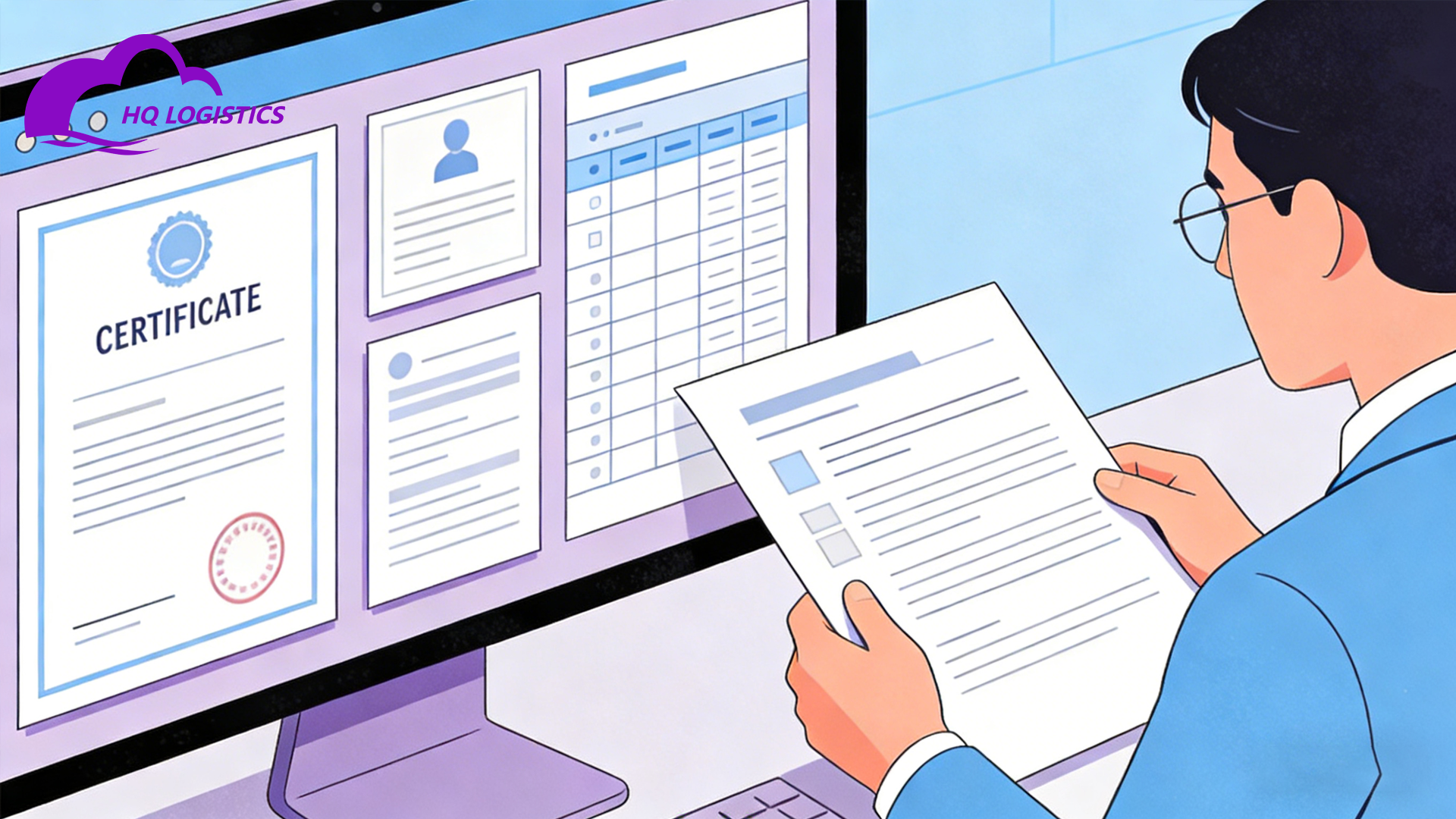
Warehouse Handling Requirements
Not every fulfillment center can handle regulated goods.
For pharmacy-related products, look for:
-
Separate storage zones
-
Controlled temperature if required
-
Clean and organized packing areas
-
Clear SOPs (standard operating procedures)
This protects product integrity and helps pass inspections.
Labeling Rules You Cannot Ignore 🏷️
Labeling is one of the most common failure points.
Typical requirements include:
-
Product name and function
-
Ingredient or material list
-
Country of origin
-
Batch or lot number
-
Expiration date (if applicable)
Incorrect labels lead to customs holds—even if the product itself is legal.
Batch Tracking and Traceability Matter
Regulators don’t just care about the product.
They care about where it came from and where it went.
A compliant fulfillment setup supports:
-
Batch-level inventory tracking
-
Order-to-batch linkage
-
Recall readiness
If a problem arises, you must identify affected orders fast.
No tracking = no defense.
Shipping Lines for Regulated Products 🚚
Not all shipping routes accept regulated items.
Some carriers refuse:
-
Liquids
-
Batteries
-
Health products
-
Anything requiring inspection
A knowledgeable China fulfillment partner helps you:
-
Select approved shipping lines
-
Match products to allowed routes
-
Avoid sudden line shutdowns
This reduces surprise delays and rejected parcels.
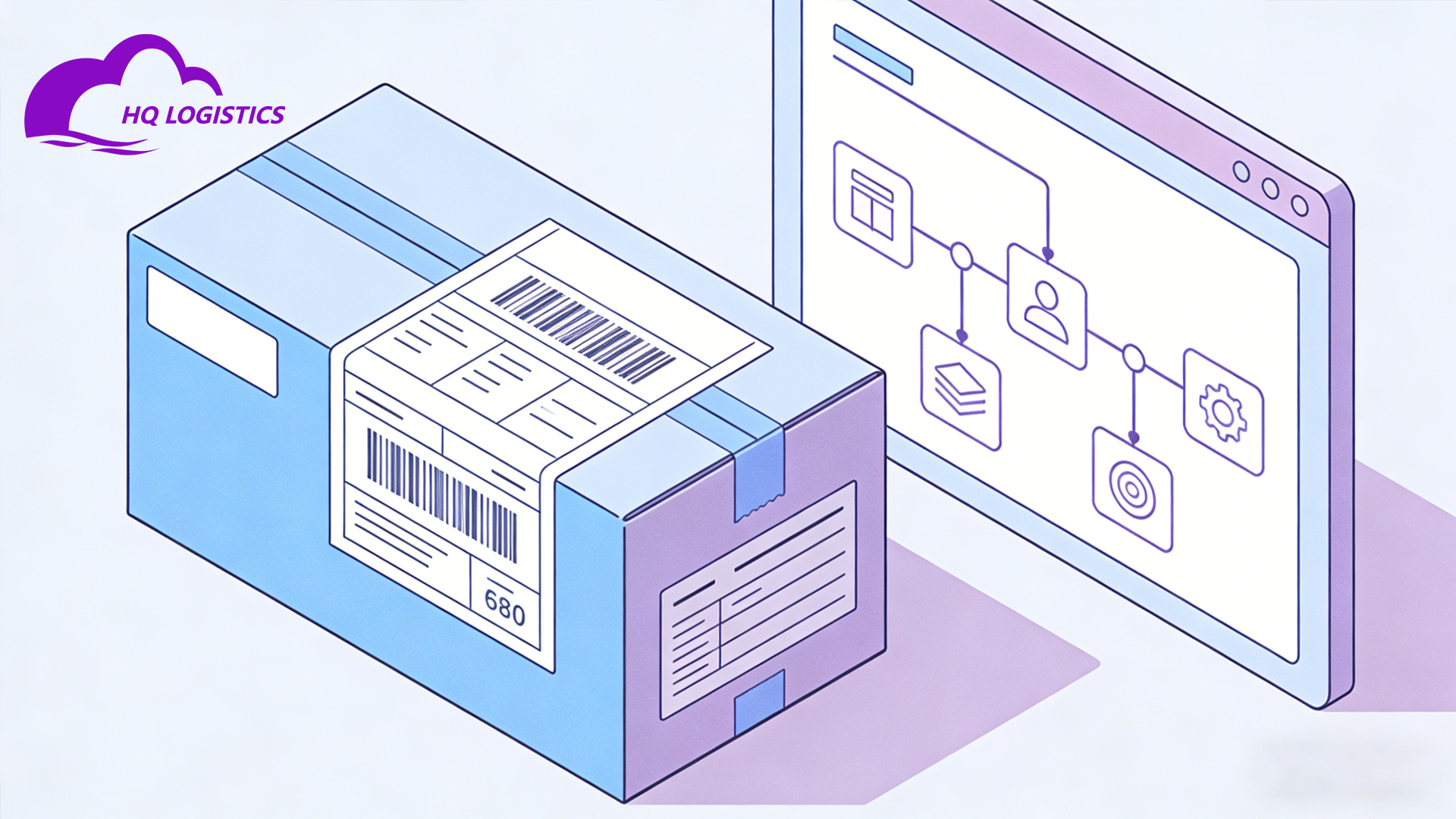
Customs Inspections: What to Expect
Regulated products are more likely to be inspected.
During inspection, officials may check:
-
Product labels
-
Supporting documents
-
Declared value
-
Compliance with destination country rules
Inspections are normal.
Failures are avoidable.
Preparation is the difference.
A Short Real-World Example
One brand selling supplements rushed fulfillment to meet demand.
They skipped proper batch labeling.
Customs flagged the shipment.
Result?
-
Entire batch held
-
Weeks of delay
-
Lost ad momentum
-
Refunds piling up
After moving to a compliant China fulfillment setup:
-
Proper batch tracking
-
Pre-approved labels
-
Clear documentation
Shipping resumed smoothly.
Lesson learned—compliance always beats speed.

Returns & Quality Control for Regulated Goods 🔍
Returns are sensitive with health-related products.
Best practices include:
-
No restocking opened items
-
Separate return inspection area
-
Clear destruction or disposal rules
This protects customers and keeps regulators satisfied.
Choosing the Right China Fulfillment Partner
Not every partner is qualified for regulated products.
Ask these questions:
-
Do you handle pharmacy or medical products?
-
How do you manage batch tracking?
-
What documents do you require before shipping?
-
Which shipping lines support regulated items?
If answers are vague, that’s a warning sign.
Common Mistakes Sellers Make
These mistakes show up again and again:
-
Assuming supplements are “unregulated”
-
Using standard labels for medical products
-
Ignoring batch-level inventory
-
Choosing fulfillment based on price only
Compliance issues don’t scale.
They compound.
Building a Compliance-First Fulfillment Strategy ✅
Successful brands treat fulfillment as part of compliance.
They:
-
Align suppliers, fulfillment, and shipping
-
Review documentation regularly
-
Plan inventory early
-
Test shipping routes before scaling
This approach protects revenue and brand trust.

FAQ
Can I ship pharmacy products from China legally?
Yes, if all documentation and labeling requirements are met.
Do supplements require special fulfillment?
Often yes, especially for labeling and batch tracking.
Will compliant fulfillment increase costs?
Slightly—but it prevents far bigger losses later.
Can fulfillment centers help with compliance?
They support execution, but sellers remain responsible.
Are inspections always bad?
No. Prepared shipments usually clear without issues.
Final Thoughts
Pharmacy and regulated products demand discipline.
Fast fulfillment is meaningless if shipments don’t arrive.
Cheap shipping is irrelevant if products get seized.
When done correctly, China fulfillment can be safe, scalable, and compliant.
Control first.
Speed second.
Growth follows.