Fulfillment Pricing Case Examples: Small SKU vs High-Volume SKUs
Fulfillment Pricing Case Examples: Small SKU vs High-Volume SKUs
Confused why fulfillment fees look “random”?
Wondering why one SKU makes money and another bleeds cash?
Or trying to scale volume without blowing up costs? 😅
I’ve priced hundreds of SKUs across different fulfillment models.
Below are real, practical fulfillment pricing case examples showing how small SKUs vs high-volume SKUs behave—and what to do about it.
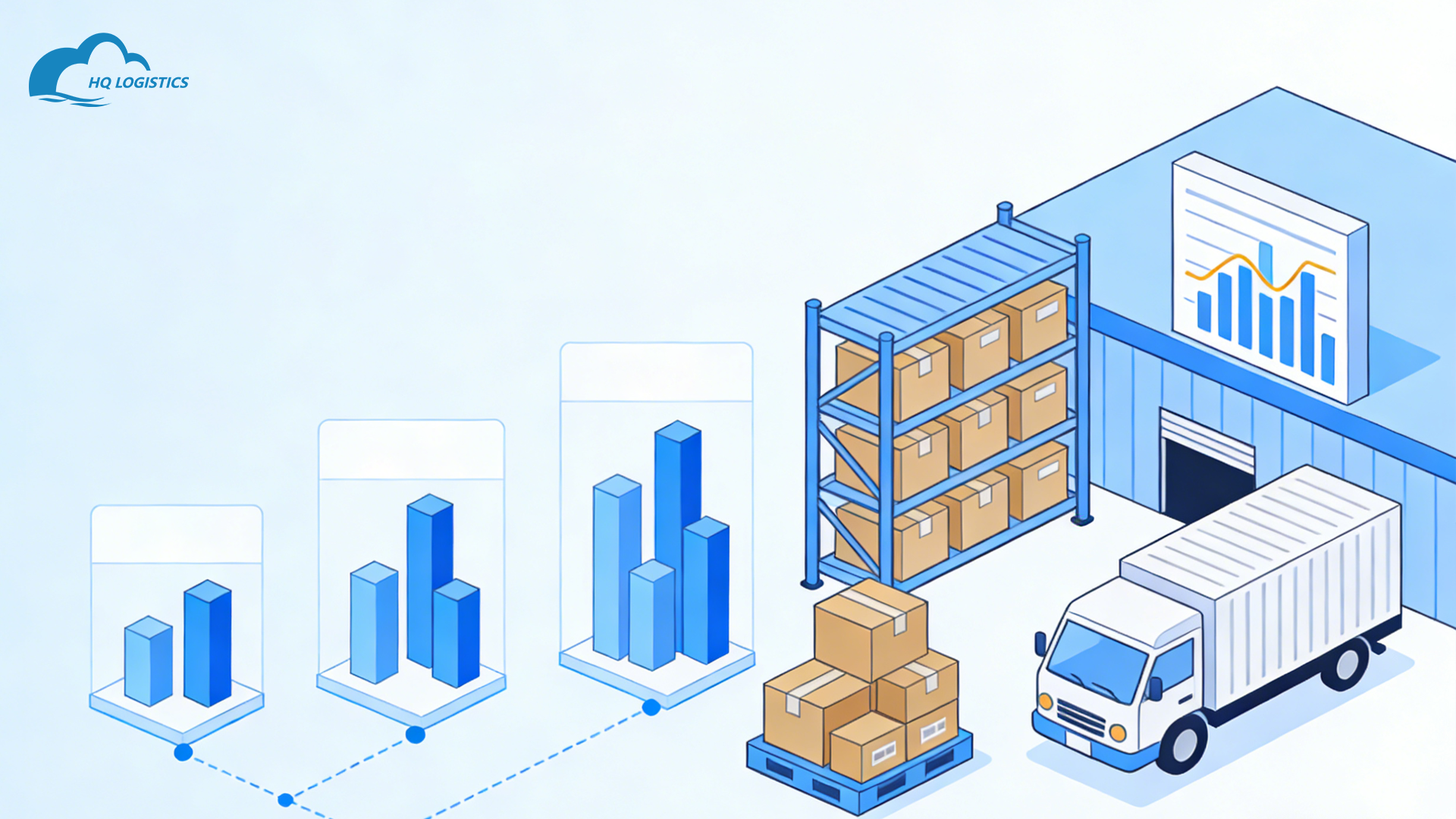
Why Fulfillment Pricing Changes So Much by SKU
Let’s get one thing straight.
Fulfillment pricing is not just:
-
Pick & pack
-
Shipping rate
-
Storage
It’s a system cost, driven by:
-
SKU size and weight
-
Order velocity
-
Handling complexity
-
Inventory turns
That’s why two products with the same price tag can have wildly different margins.
Case Example 1: Small SKU, Low-to-Mid Volume
Product profile
Think:
-
Phone accessories
-
Beauty tools
-
Lightweight fashion items
SKU details
-
Weight: 0.3–0.5 lb
-
Size: Small parcel
-
Monthly orders: ~800–1,500
Typical fulfillment pricing (example)
-
Pick & pack: $1.80–$2.50
-
Shipping (domestic): $4.50–$6.50
-
Storage: Minimal
-
Returns: Moderate
Total fulfillment cost per order:
👉 ~$6.50–$9.00
Why small SKUs feel cheap—but aren’t always
Yes, shipping is lighter.
But there’s a catch.
Problems I see:
-
Same handling cost as bigger SKUs
-
High labor-to-revenue ratio
-
Margins crushed if AOV is low
If you sell a $12 product:
-
Fulfillment can eat 50–70% of revenue 😬
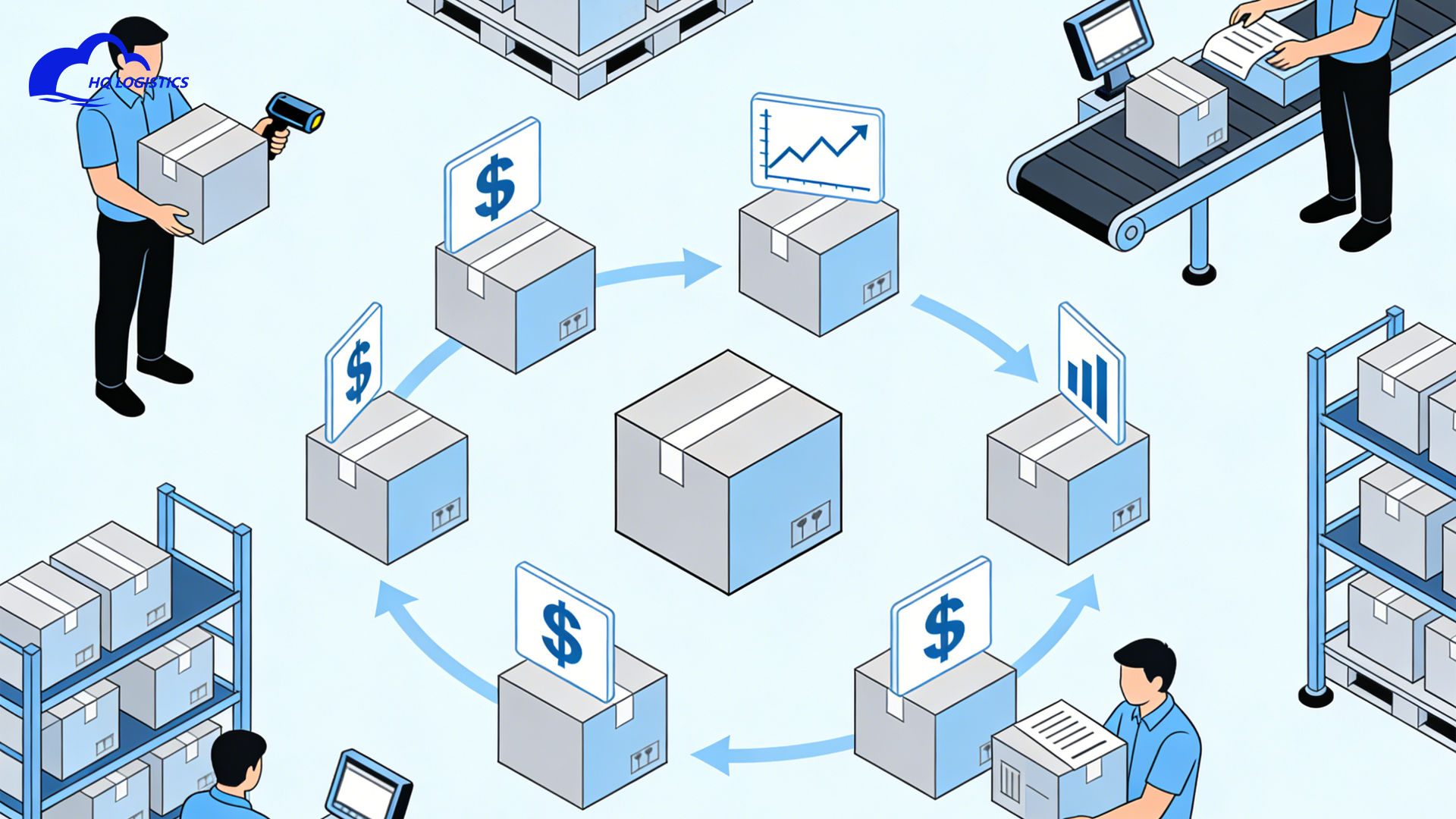
When small SKUs work well
Small SKUs make sense when:
-
AOV is boosted with bundles
-
Repeat purchase rate is high
-
Shipping is baked into pricing
Case Example 2: High-Volume SKU, Medium Size
Product profile
Think:
-
Home essentials
-
Fitness accessories
-
Subscription refills
SKU details
-
Weight: 1.5–3 lb
-
Size: Standard box
-
Monthly orders: 5,000–20,000
Typical fulfillment pricing (example)
-
Pick & pack: $1.20–$1.60
-
Shipping (negotiated): $6.50–$8.00
-
Storage: Higher, but predictable
-
Returns: Lower rate
Total fulfillment cost per order:
👉 ~$7.80–$9.50
Yes—similar total cost to small SKUs.
But here’s the difference.
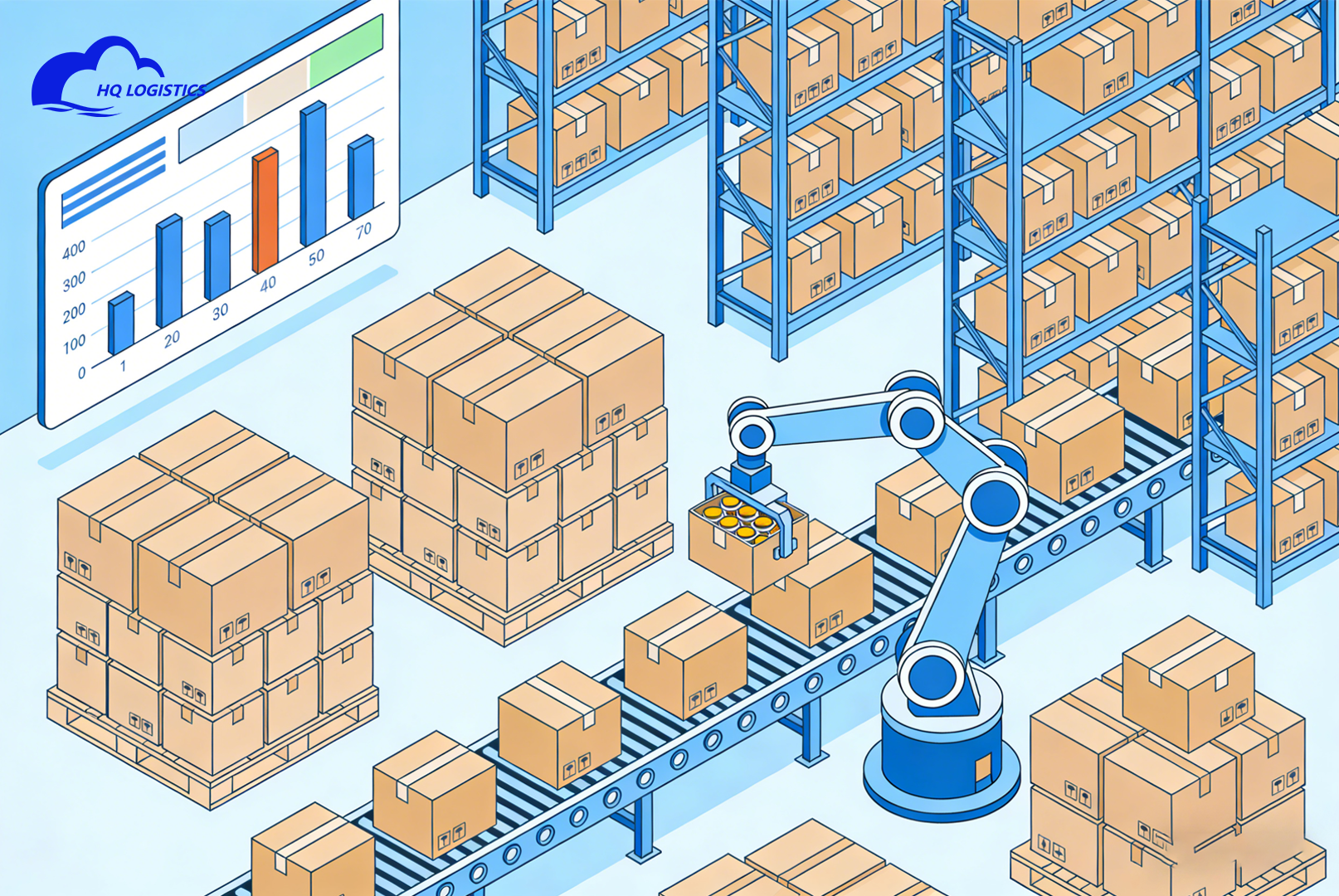
Why high-volume SKUs scale better
High-volume SKUs benefit from:
-
Rate leverage
-
Operational efficiency
-
Forecast stability
Even with higher shipping weight:
-
Cost per order stays flat
-
Margin improves as volume grows 📈
This is where fulfillment actually works in your favor.
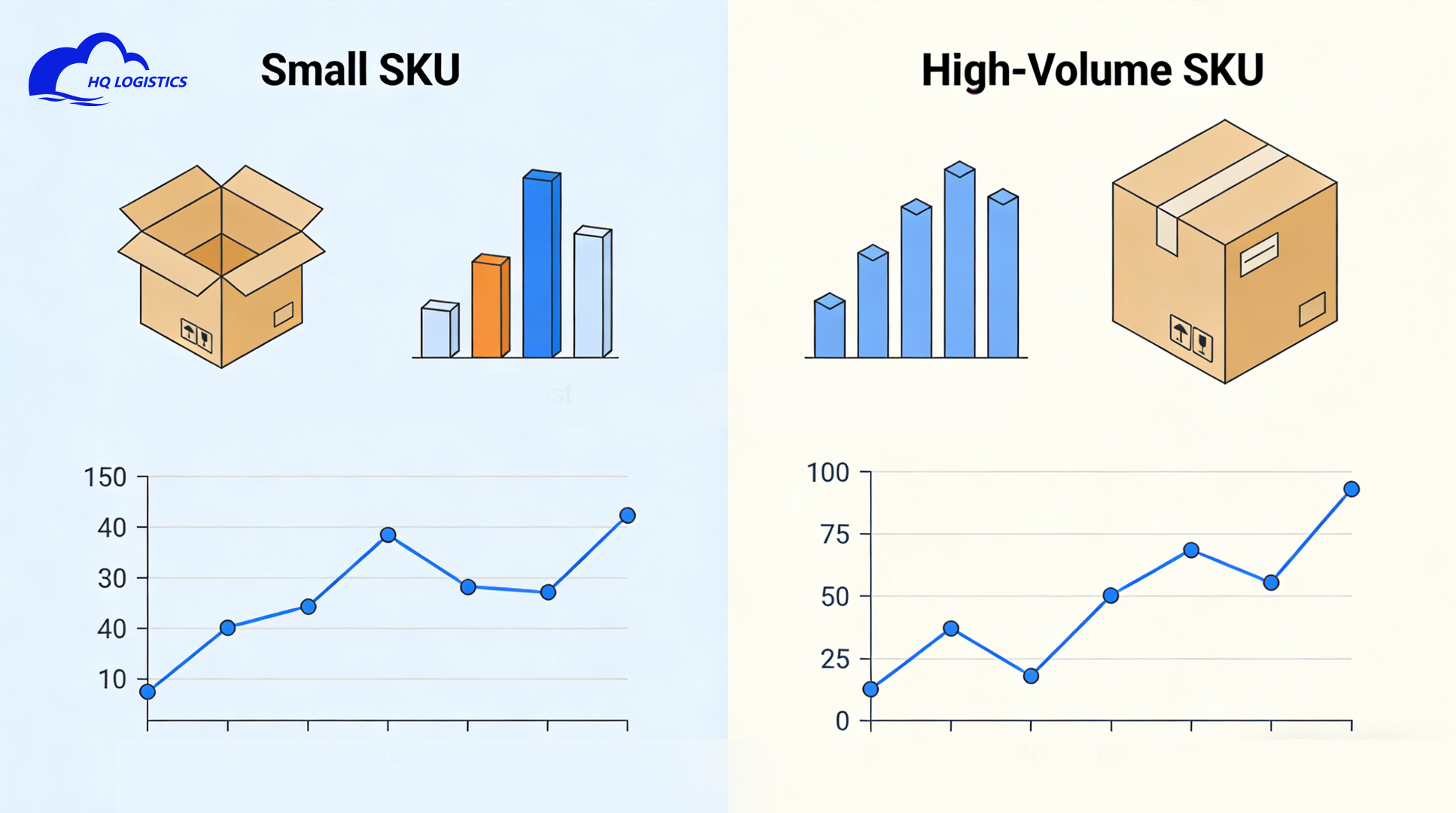
Case Example 3: Small SKU vs High-Volume SKU (Side-by-Side)
Let’s make it clear.
Small SKU
-
Lower shipping weight
-
Higher cost % of revenue
-
Sensitive to fees
-
Needs pricing discipline
High-volume SKU
-
Higher absolute cost
-
Lower cost %
-
Easier to forecast
-
Scales efficiently
Fulfillment companies love volume.
Margins do too.
A Real Conversation With a Seller ☕
A seller once told me:
“My smallest product is my worst performer. Why?”
We looked closer.
-
$10 product
-
$7 fulfillment cost
-
Paid ads on top
The math never worked.
We changed:
-
Bundled 3 units
-
Raised AOV to $28
-
Same fulfillment flow
Same SKU.
Totally different outcome.
Pricing strategy beat cost cutting.
How Fulfillment Pricing Should Shape SKU Strategy
This is where brands get smarter.
Segment SKUs by fulfillment behavior
I recommend three buckets:
-
Test SKUs (China fulfillment or limited local stock)
-
Core SKUs (local warehouse, optimized rates)
-
Scale SKUs (volume-driven, rate-negotiated)
Not every SKU deserves the same fulfillment model.
Design pricing around fulfillment, not after
Strong brands:
-
Price products knowing fulfillment cost
-
Don’t “hope” margin works out
-
Adjust packaging early
Key moves:
-
Reduce dimensional weight
-
Simplify pack requirements
-
Eliminate unnecessary inserts
Common Fulfillment Pricing Mistakes
I see these constantly.
-
Ignoring pick & pack fees
-
Pricing products before locking fulfillment
-
Treating all SKUs equally
-
Scaling ads on low-margin SKUs
Fulfillment doesn’t forgive sloppy math.
FAQs: Fulfillment Pricing for Different SKUs
1. Are small SKUs always cheaper to fulfill?
No. They’re cheaper to ship, not to handle.
2. When do high-volume SKUs get better rates?
Usually after consistent monthly volume is proven.
3. Should I drop low-margin small SKUs?
Not always. Bundle or reposition them first.
4. Does fulfillment pricing change by 3PL?
Yes—significantly. Always compare total cost.
5. Can one bad SKU hurt overall profitability?
Absolutely. Especially if it drives ad spend.
Final Take
Fulfillment pricing isn’t about size alone.
It’s about how a SKU behaves at scale.
Small SKUs:
-
Need smart pricing
-
Need bundles
-
Need discipline
High-volume SKUs:
-
Reward planning
-
Reward consistency
-
Reward patience
If you understand that,
Fulfillment Pricing Case Examples: Small SKU vs High-Volume SKUs stop being confusing—and start becoming a growth tool.