What Is a Fulfillment Center & How It Works
What Is a Fulfillment Center & How It Works
Struggling to keep up with orders as your store grows?
Wondering where your products actually go after customers click “Buy”?
Trying to figure out if a fulfillment center is worth the cost?
I’ve been there.
Let’s break it down—clean, practical, no fluff.

What Is a Fulfillment Center?
A fulfillment center is a warehouse that handles your orders for you.
Not just storage.
Not just shipping.
It’s the place where orders go from “paid” → “packed” → “shipped.”
In plain English:
You sell.
They do the heavy lifting.
Typical fulfillment centers handle:
-
Inventory storage
-
Order picking & packing
-
Shipping & last-mile delivery
-
Returns processing
-
Inventory tracking software
Think Amazon FBA.
But this model works for Shopify, WooCommerce, TikTok Shop, and more.
How a Fulfillment Center Works (Step by Step)
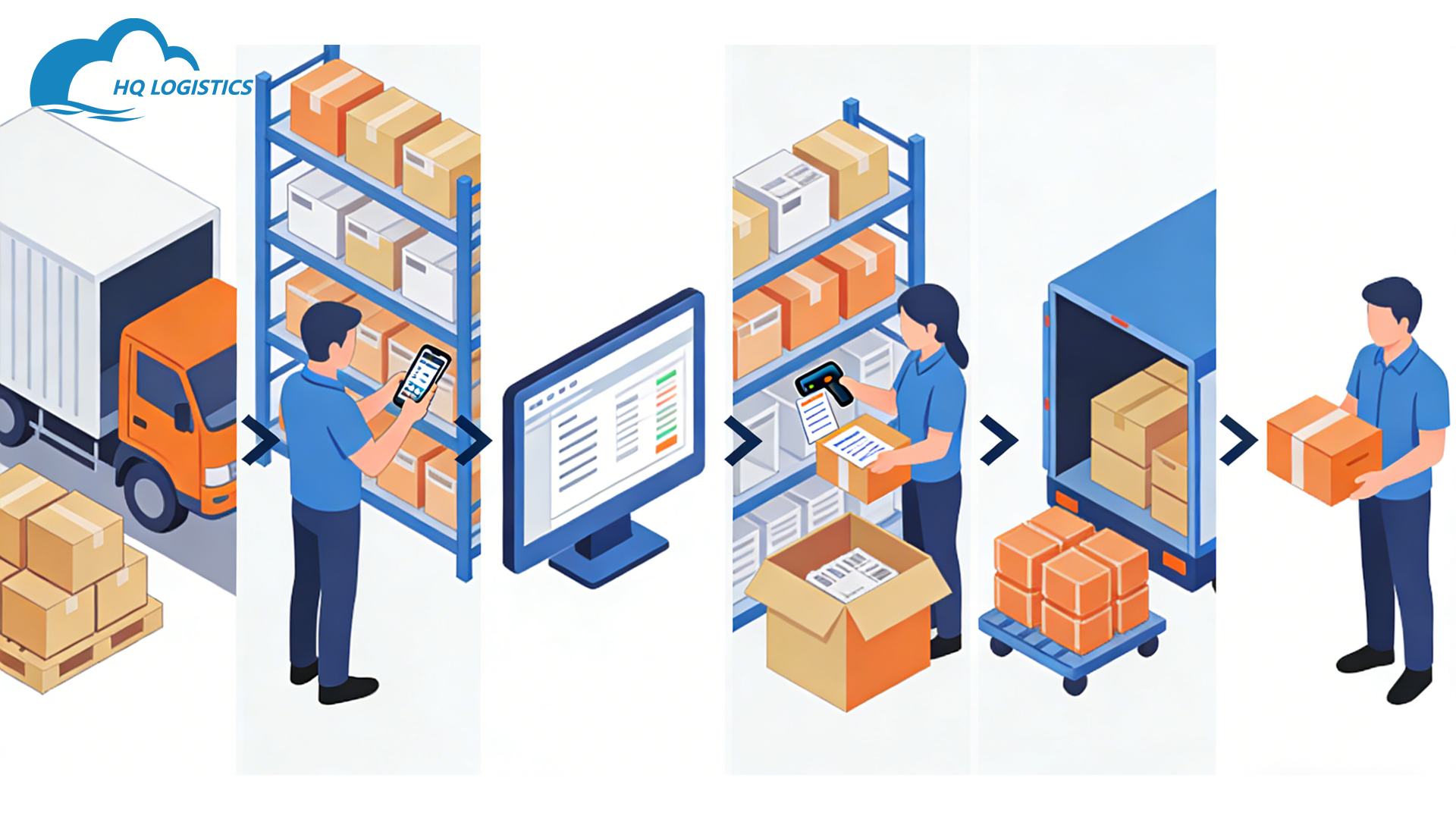
1. You Send Inventory In
You ship your products to the fulfillment center in bulk.
-
Pallets or cartons
-
Domestic or overseas suppliers
-
Scheduled inbound receiving
Once received, items are scanned into their system.
Every unit is tracked.
2. Inventory Is Stored & Managed
Products are stored on:
-
Shelves
-
Bins
-
Pallets
Good centers use warehouse management systems (WMS).
That means:
-
Real-time stock levels
-
SKU-level tracking
-
Low-stock alerts
No more guessing.
3. Customer Places an Order
An order hits your store.
The fulfillment center is connected via API or app.
Order details sync automatically.
No manual work.
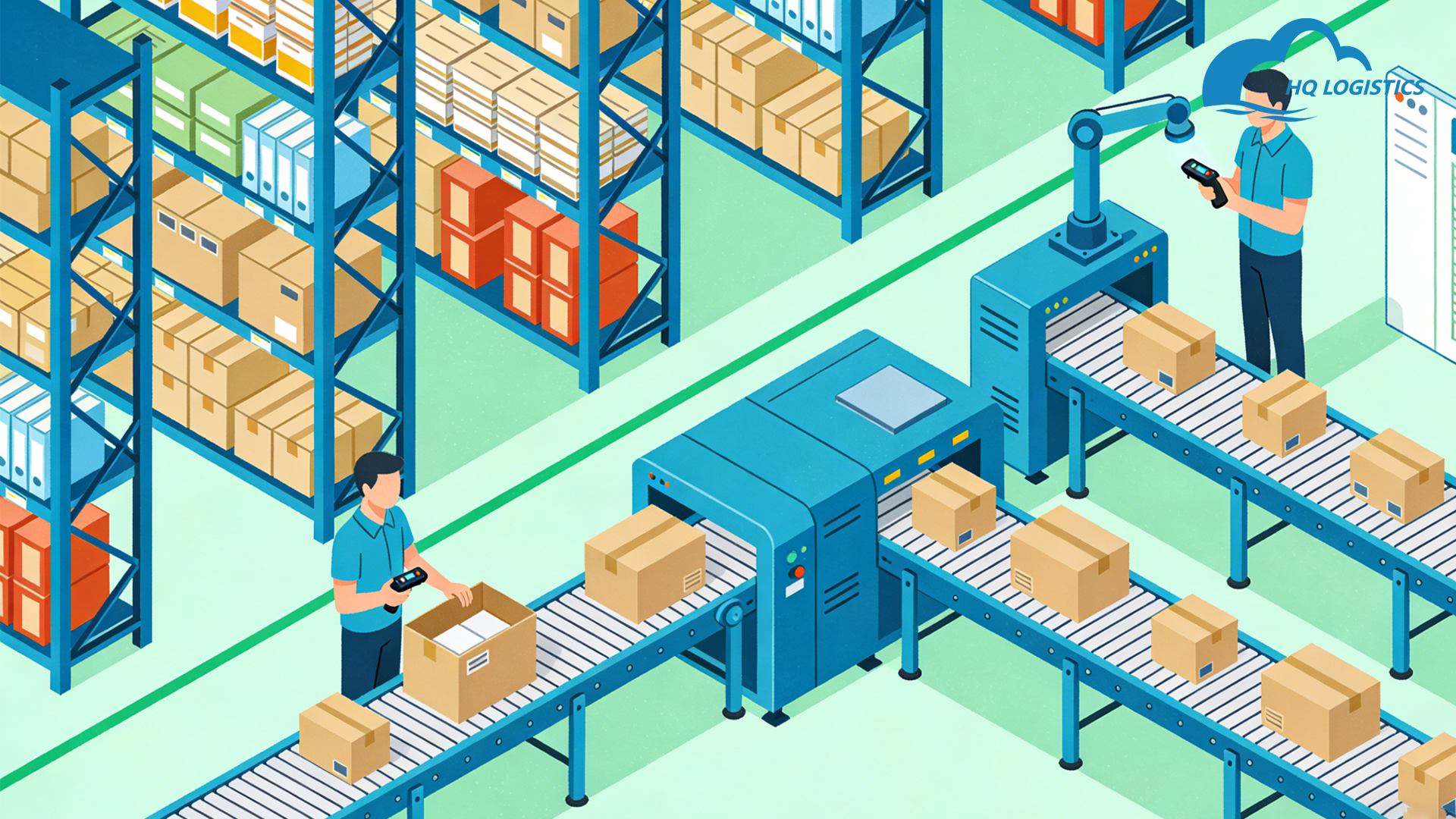
4. Pick, Pack, Ship
This is where speed matters.
Warehouse staff:
-
Pick the right items
-
Pack them securely
-
Ship using pre-negotiated carrier rates
Common carriers:
-
USPS
-
UPS
-
FedEx
-
DHL (for international orders)
Same-day or next-day shipping is common.
5. Delivery & Tracking
Customers get tracking numbers automatically.
You get:
-
Fewer “Where’s my order?” emails
-
Faster delivery times
-
Better reviews
Everyone wins.
6. Returns Handling (Optional but Huge)
Most fulfillment centers also handle returns.
They can:
-
Inspect items
-
Restock sellable units
-
Dispose or quarantine damaged goods
This alone saves hours every week.
Fulfillment Center vs Traditional Warehouse
They’re not the same.
Key differences:
-
Fulfillment centers focus on speed
-
Warehouses focus on long-term storage
Fulfillment centers are built for eCommerce.
High order volume.
Fast turnaround.
System-driven.
Types of Fulfillment Centers
eCommerce Fulfillment Centers
Best for:
-
DTC brands
-
Online sellers
-
Subscription boxes
Optimized for small, frequent orders.
3PL Fulfillment Centers
3PL = Third-Party Logistics.
They may also handle:
-
Freight forwarding
-
Customs clearance
-
Cross-border shipping
Good if you sell internationally.
Regional Fulfillment Centers
Located near customers.
Benefits:
-
Faster delivery
-
Lower shipping costs
-
Better holiday performance
Many brands use multiple centers across the US.
Real Example (Quick Story)
A friend of mine runs a Shopify brand.
At 30 orders/day, he packed boxes himself.
At 150/day, chaos.
Missed shipments.
Late nights.
Burnout.
He moved to a fulfillment center in New Jersey.
Results after 60 days:
-
Shipping time dropped from 5 days → 2 days
-
Support tickets cut in half
-
He finally stopped taping boxes at midnight
That’s the real value.
When a Fulfillment Center Makes Sense
It’s usually time when:
-
Orders exceed 50–100/day
-
You’re running out of storage space
-
Shipping costs are climbing
-
You want to scale ads without ops stress
If you’re still shipping 5 orders a week?
Probably not yet.

Costs to Expect (Simple Breakdown)
Most fulfillment centers charge:
-
Receiving fees (per carton/pallet)
-
Storage fees (per cubic foot/month)
-
Pick & pack fees (per order)
-
Shipping costs (carrier rates)
-
Optional:
-
Returns
-
Custom packaging
-
Kitting
-
No two providers price the same.
Always ask for a full rate card.
Common Mistakes I See
Avoid these:
-
Choosing the cheapest option only
-
Ignoring integration compatibility
-
Not planning for Q4 volume spikes
-
Forgetting international shipping rules
Cheap fulfillment gets expensive fast.

FAQs From Real Sellers
What’s the difference between a fulfillment center and Amazon FBA?
Amazon FBA is Amazon-owned.
A fulfillment center works with any sales channel.
More control.
More branding.
How fast can a fulfillment center ship orders?
Many offer same-day or next-day shipping.
Cutoff times matter—always ask.
Do fulfillment centers handle international shipping?
Yes, many do.
Some also manage:
-
Customs paperwork
-
Duties & taxes
-
Cross-border returns
Is a fulfillment center good for small businesses?
Yes—if order volume is steady.
Most centers have minimums.
Check before signing.
Can I use custom packaging?
Usually yes.
Options include:
-
Branded boxes
-
Inserts
-
Eco-friendly packaging
Costs vary.
Final Take
A fulfillment center isn’t just logistics.
It’s a growth lever.
If shipping is slowing you down,
or ops is stealing focus from sales,
It’s worth a serious look.