Cross-Border Logistics During Major Global Events
Running an ecommerce store during big global events?
Seeing order spikes, shipping delays, or inventory shortages?
This often happens during events like the 2026 World Cup, international tournaments, and major shopping seasons.
Understanding cross-border logistics during major global events helps sellers prepare and avoid disruptions.
Why Global Events Like the World Cup Affect Logistics
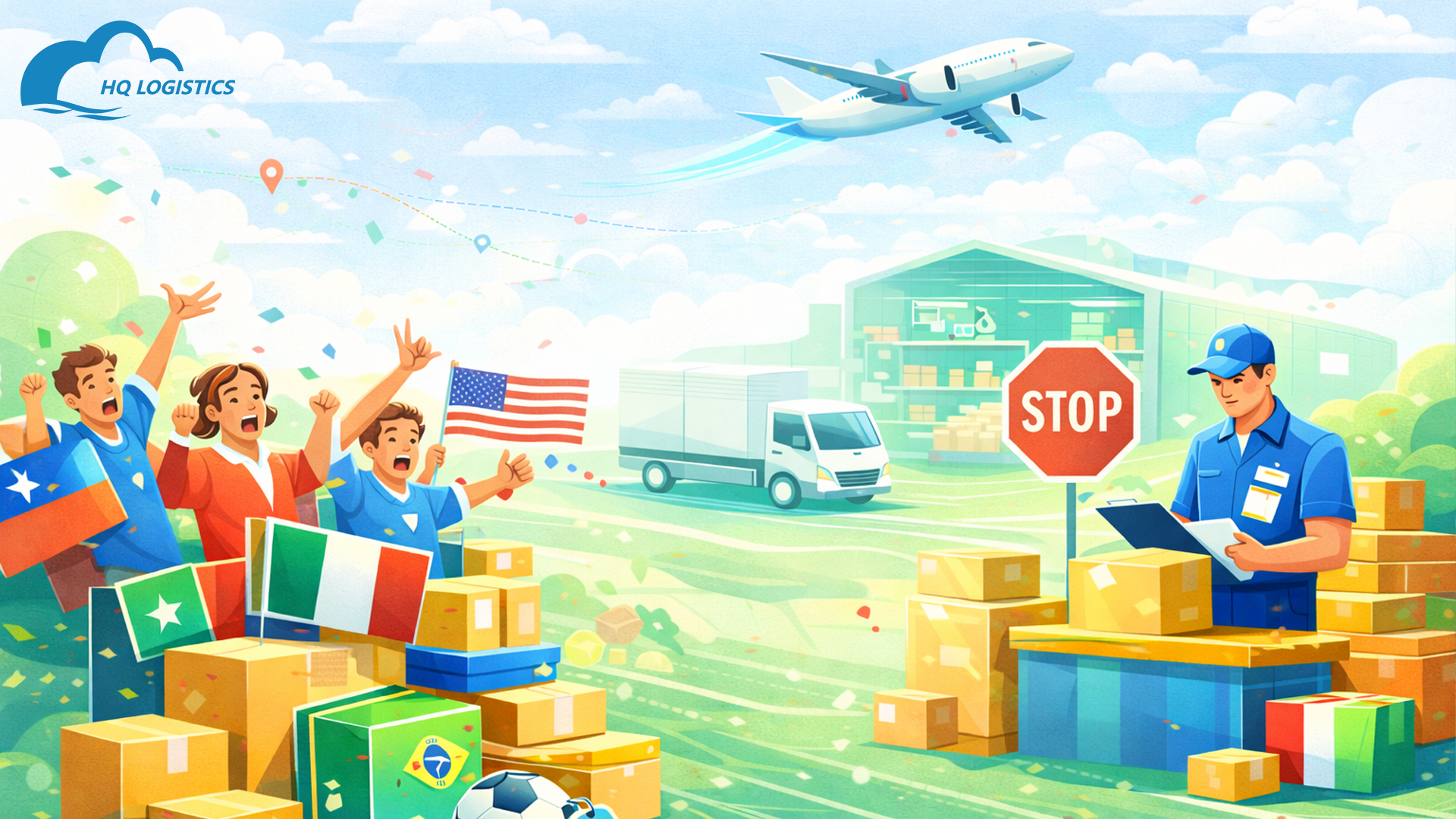
When a global event like the World Cup happens, demand for related products rises quickly.
Fans start buying:
-
Football-themed merchandise
-
Team accessories
-
Watch-party decorations
-
Sports apparel
This sudden demand surge impacts the entire logistics network.
Common issues include:
-
Air cargo capacity shortages
-
Shipping delays
-
Higher logistics costs
-
Warehouse processing pressure
For cross-border ecommerce sellers, this can create serious operational challenges.
Major Logistics Bottlenecks During Event Seasons
Shipping Capacity Becomes Limited
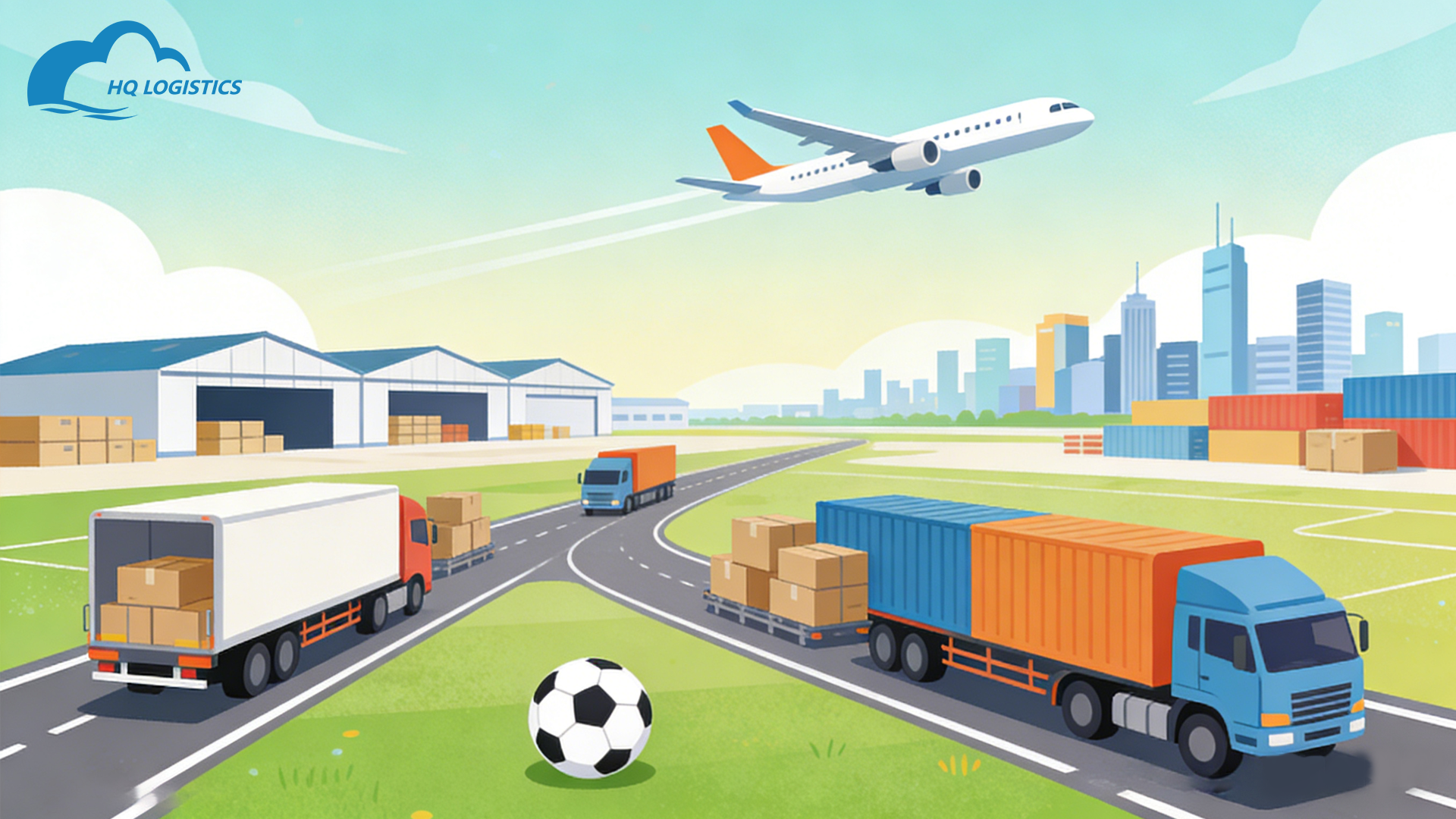
During global events such as the World Cup, international shipments increase dramatically.
As a result:
-
Air freight space becomes limited
-
Shipping prices increase
-
Transit times may extend
Planning shipments early helps avoid these issues.
Customs Processing Slows Down
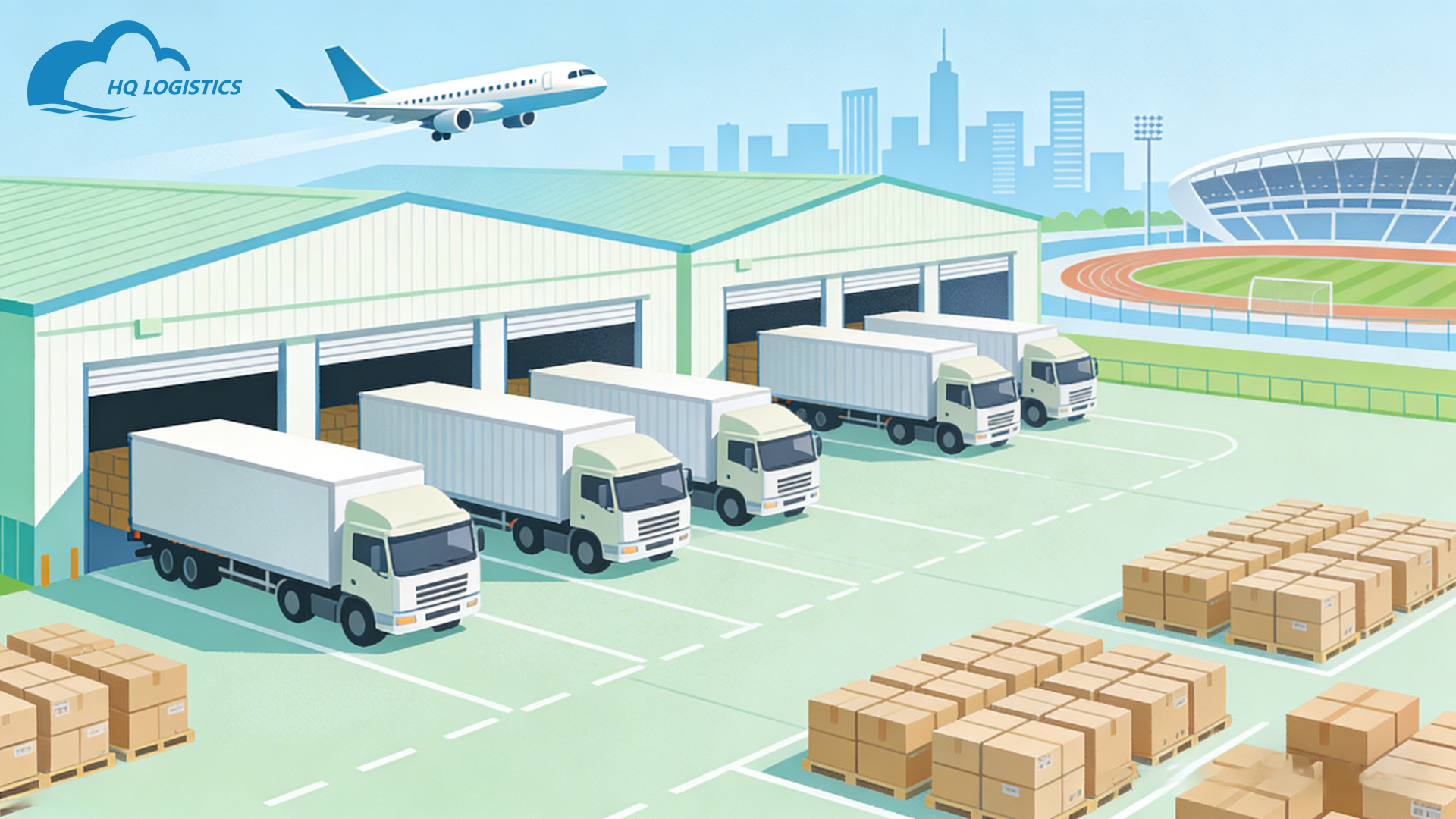
When millions of packages move globally during event seasons, customs offices experience heavy workloads.
This can cause:
-
Slower inspection times
-
Longer clearance queues
-
Delivery delays
For dropshipping sellers, this can affect customer satisfaction.
Fulfillment Centers Handle Higher Order Volumes
Major events often create sudden spikes in ecommerce orders.
Without efficient systems, warehouses may struggle to keep up.
This can lead to:
-
Slower order processing
-
Inventory errors
-
Delayed shipments
Efficient fulfillment systems are critical during high-demand periods.
How Smart Sellers Prepare for Event-Based Demand
Experienced sellers prepare weeks or months before large events like the World Cup.
Practical preparation steps include:
Forecast demand early
-
Track trending products
-
Monitor social media demand for event merchandise
Stock inventory in advance
-
Secure popular products early
-
Store inventory in fulfillment warehouses
Use automated fulfillment tools
Automation helps manage large order volumes efficiently.
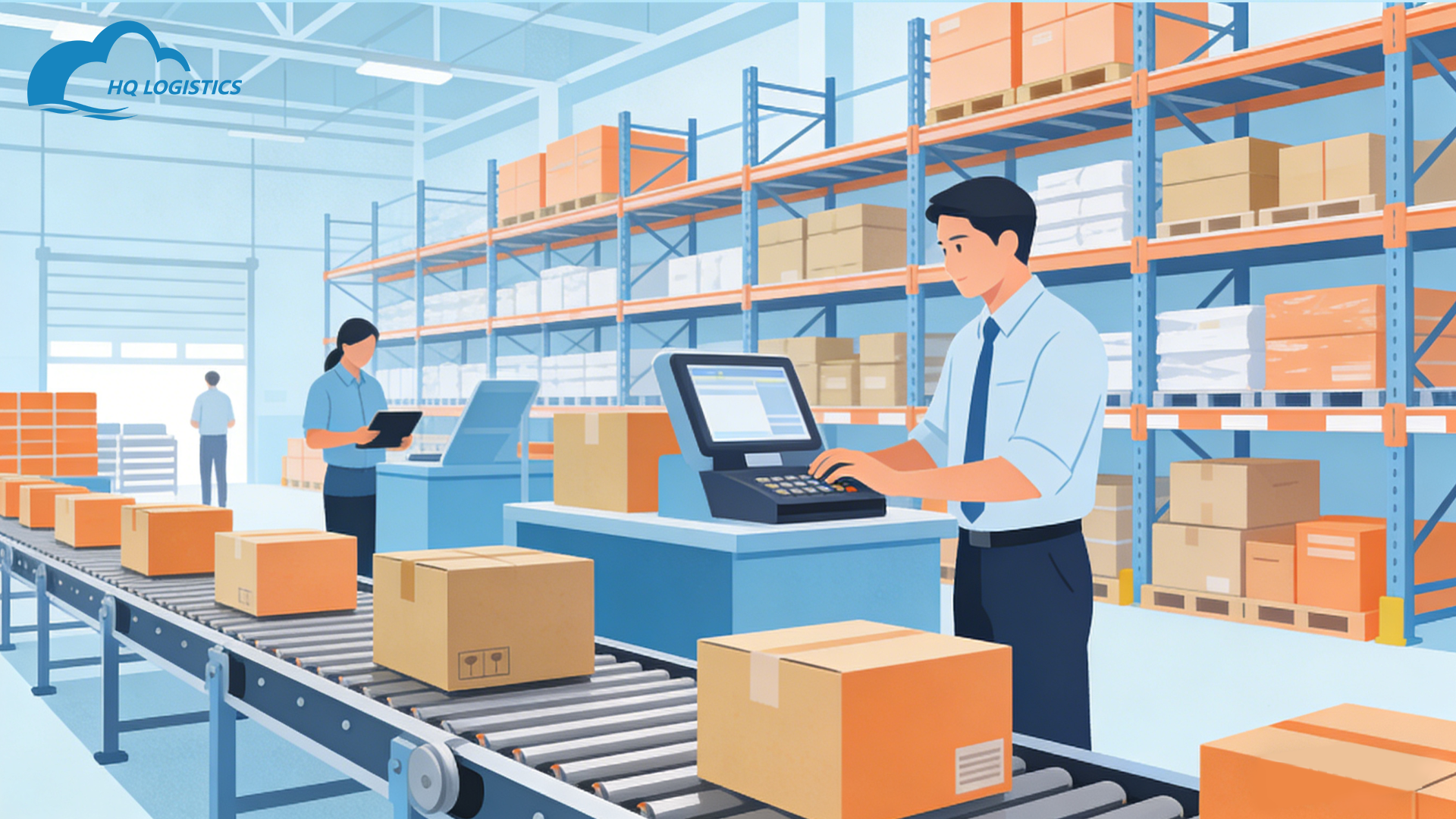
Automating Cross-Border Fulfillment
Automation systems help ecommerce sellers maintain stable logistics even during demand spikes.
For example, HQ Dropshipping connects directly with Shopify stores to streamline fulfillment.
Key automation advantages include:
✔ Auto Order Sync
Orders from your Shopify store automatically sync to the fulfillment system.
✔ Smart Warehouse Allocation
Orders are routed to the most suitable warehouse for faster delivery.
✔ 24–48h Processing
Orders are processed quickly, helping sellers keep up during event-driven demand.
✔ Real-Time Tracking Sync
Tracking numbers update automatically, keeping customers informed.
These features help sellers stay prepared during global events like the World Cup.
A Quick Example
A seller running a sports merchandise store prepared for the World Cup months in advance.
They stocked trending fan products and connected their store to an automated fulfillment system.
When the tournament started, orders increased significantly.
But because fulfillment was automated, orders processed smoothly and shipments stayed on schedule.
Preparation made the difference.
FAQs
Why does the World Cup affect global shipping?
Demand for sports merchandise increases worldwide, creating higher shipping volumes.
How can sellers avoid shipping delays during global events?
Prepare inventory early and use automated fulfillment systems.
Do logistics costs increase during large events?
Yes. Air cargo demand can push shipping prices higher.
Is automation useful during high-demand seasons?
Yes. Automated fulfillment systems help manage large order volumes efficiently.
Conclusion
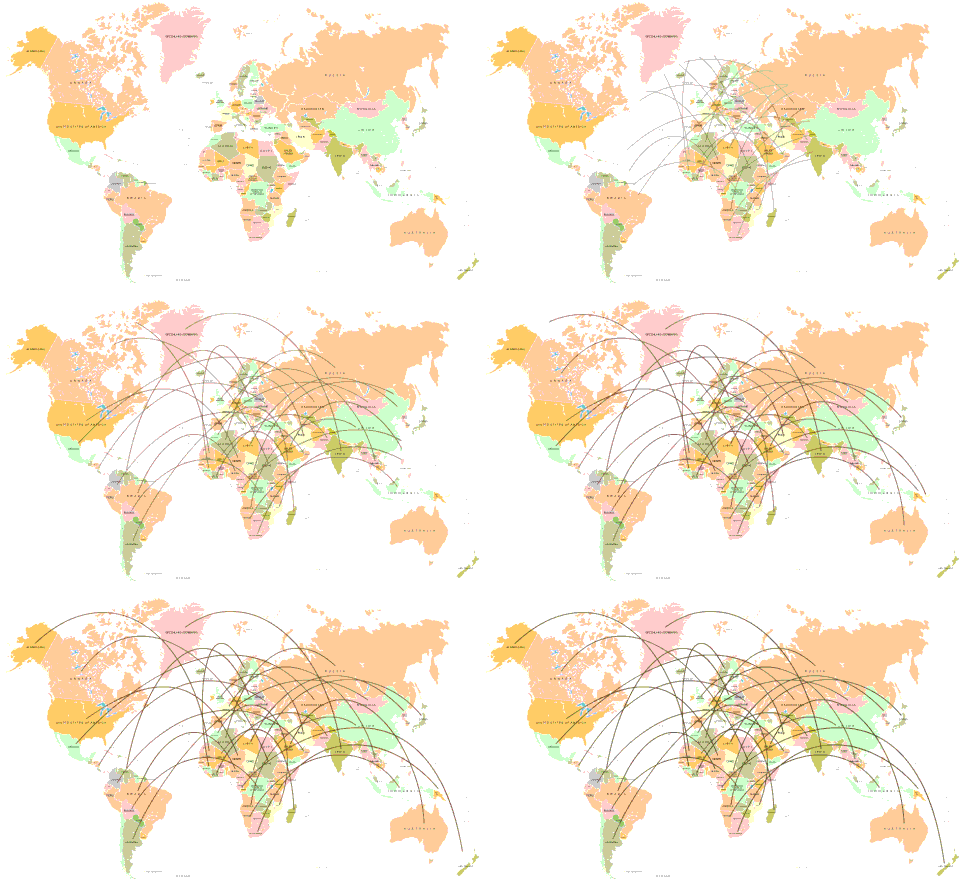
Cross-border logistics during major global events like the World Cup can become complex quickly.
But sellers who prepare early—by forecasting demand, stocking inventory, and automating fulfillment—can handle order surges smoothly.
With solutions like HQ Dropshipping, ecommerce stores can keep orders moving efficiently even during the busiest global events.