Why China Fulfillment Centers Are Key for World Cup 2026 Ecommerce Sellers
Why China Fulfillment Centers Are Key for World Cup 2026 Ecommerce Sellers
Planning to sell football products during the World Cup 2026?
Worried about shipping delays, inventory shortages, or slow order processing?
You’re not alone.
Major global events like the World Cup create massive demand for sports-related products.
To handle this surge, many sellers rely on China fulfillment centers.
Let’s break down why they matter.
World Cup Demand Creates Huge Ecommerce Opportunities
During the World Cup season, millions of fans buy football-related products.
Popular items include:
-
Football jerseys
-
Soccer cleats
-
Fan accessories
-
Sports training gear
Demand rises quickly—and often unexpectedly.
Without a reliable fulfillment strategy, sellers may struggle to keep up.
Why China Is the Global Supply Hub
China remains one of the world’s largest manufacturing and export centers.
For ecommerce sellers, this means:
Large product variety
Suppliers offer thousands of sports-related products.
Competitive pricing
Manufacturing costs are often lower than in many other regions.
Fast product sourcing
New trending products can be produced quickly.
Because of these advantages, many World Cup products originate from Chinese suppliers.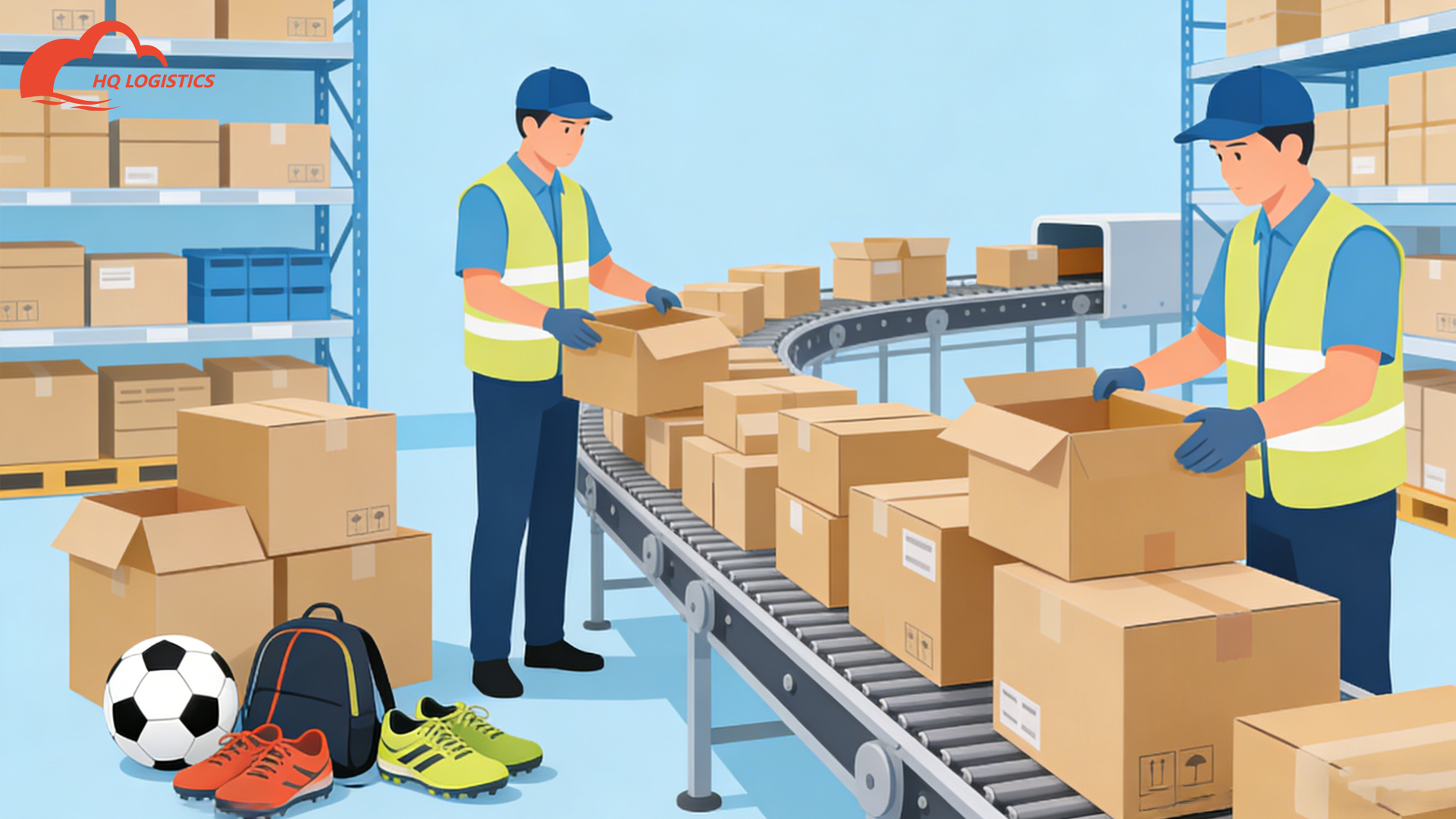
The Role of China Fulfillment Centers
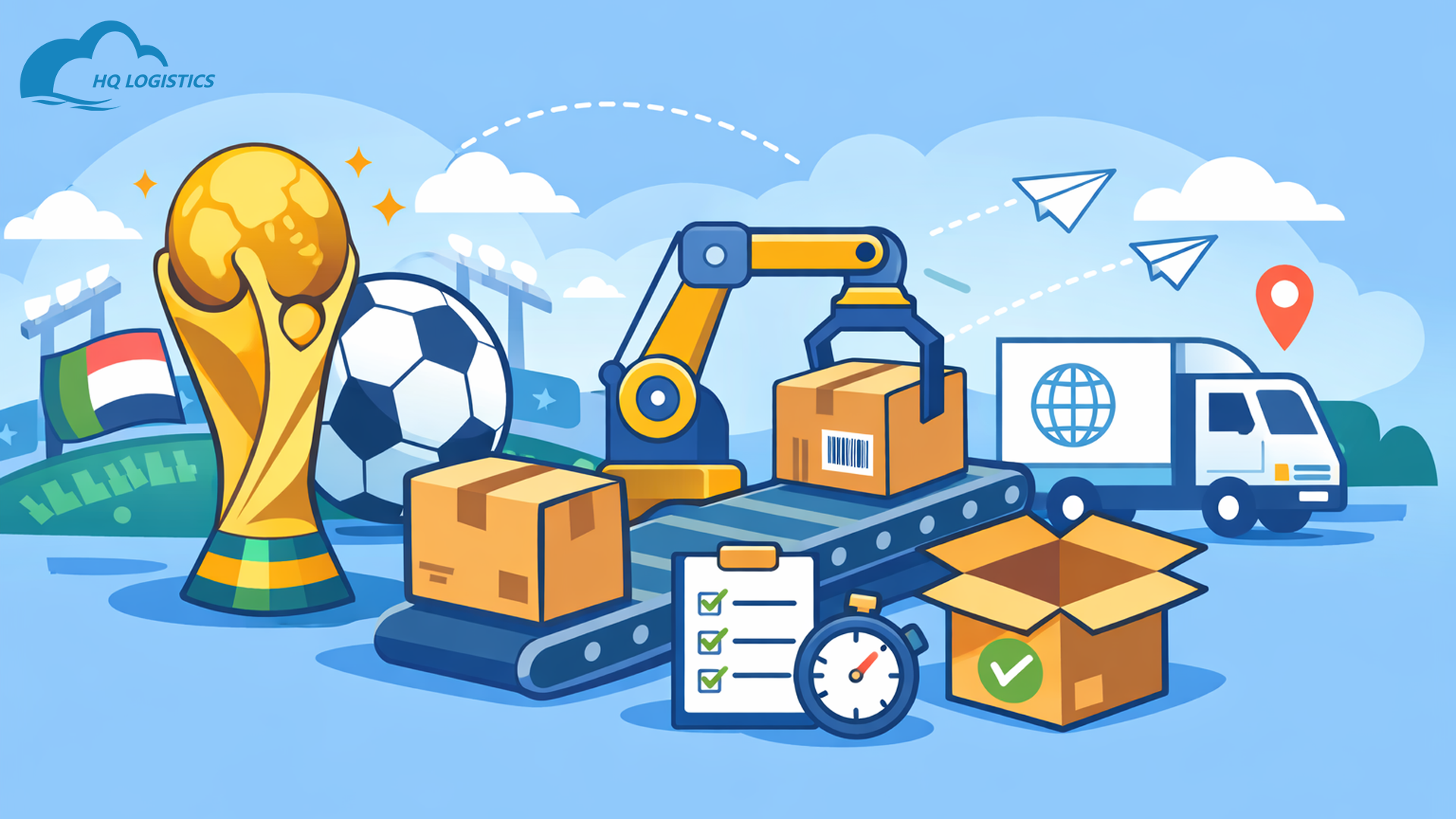
A China fulfillment center acts as the bridge between suppliers and global customers.
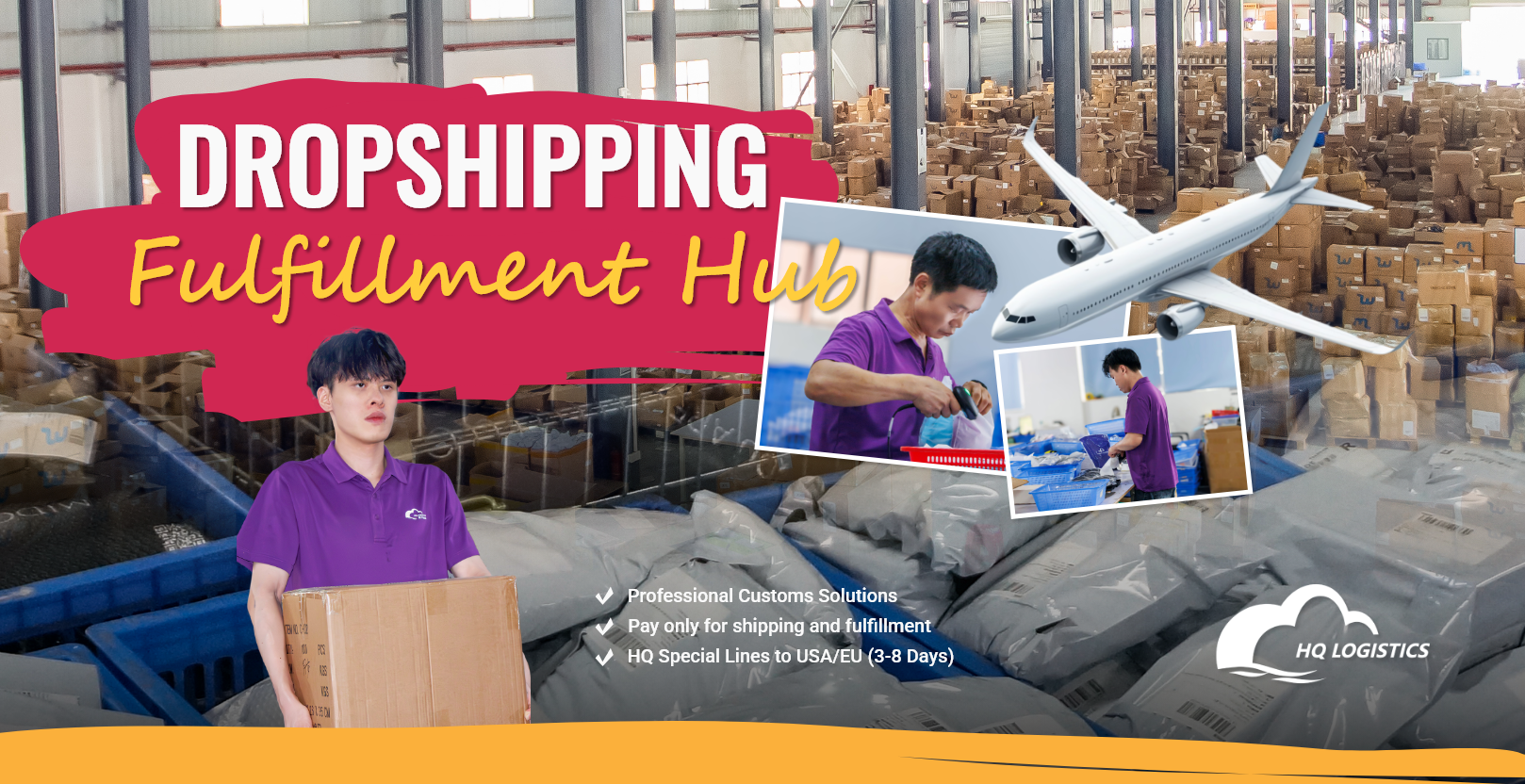
Instead of shipping products one by one from factories, sellers store inventory in fulfillment warehouses.
These centers handle:
-
Inventory storage
-
Order processing
-
Packaging
-
International shipping
This makes global ecommerce operations far more efficient.
Faster Global Shipping
Shipping directly from suppliers can slow down deliveries.
China fulfillment centers solve this by:
-
Consolidating inventory
-
Using optimized logistics routes
-
Working with multiple shipping carriers
This helps sellers deliver products faster to markets like:
-
United States
-
Europe
-
Australia
Speed becomes especially important during World Cup season, when customers want products before match days.

Managing Order Spikes During the Tournament
Large events create sudden spikes in ecommerce orders.
A store may suddenly receive three or four times its normal daily orders.
Without automation and warehouse support, it becomes difficult to manage.
Fulfillment centers help by:
-
Processing large order volumes
-
Maintaining organized inventory
-
Ensuring stable shipping operations
This keeps stores running smoothly during peak demand.
A Quick Seller Example
A sports ecommerce store prepared early for a previous global football tournament.
They stocked jerseys, training gear, and fan accessories in a China fulfillment warehouse before the event began.
When demand increased, orders were processed quickly and shipped globally without delays.
Because the logistics system was prepared in advance, the seller avoided the common shipping problems many competitors faced.
FAQs
Why are China fulfillment centers useful for World Cup products?
They provide fast access to suppliers and efficient global shipping.
When should sellers prepare inventory for World Cup sales?
Ideally 2–3 months before the tournament.
Do logistics delays happen during global events?
Yes. Increased demand can affect shipping networks.
Can automation help manage order spikes?
Yes. Automated fulfillment systems keep orders moving efficiently.
Conclusion
The World Cup 2026 will create huge opportunities for ecommerce sellers—but also logistics challenges.
By using China fulfillment centers and automated tools like HQ Dropshipping, sellers can handle demand spikes, ship products faster, and keep their stores running smoothly during one of the biggest sporting events in the world.