Multi-Channel Fulfillment: Selling on Shopify, Amazon & More
Multi-Channel Fulfillment: Selling on Shopify, Amazon & More
Selling on multiple platforms but struggling to manage orders?
Getting confused with inventory across channels?
Trying to scale multi-channel fulfillment without chaos?
You’re not alone.
Most sellers expand too fast—and their backend breaks.
Let’s fix that.
Why Multi-Channel Fulfillment Matters
Selling on one platform limits growth.
Selling on multiple platforms gives you:
- More traffic
- More sales channels
- More stability
But without the right system:
- Orders get missed
- Inventory goes out of sync
- Shipping delays increase
That’s where multi-channel fulfillment comes in.
What Is Multi-Channel Fulfillment (Simple Explanation)
It means:
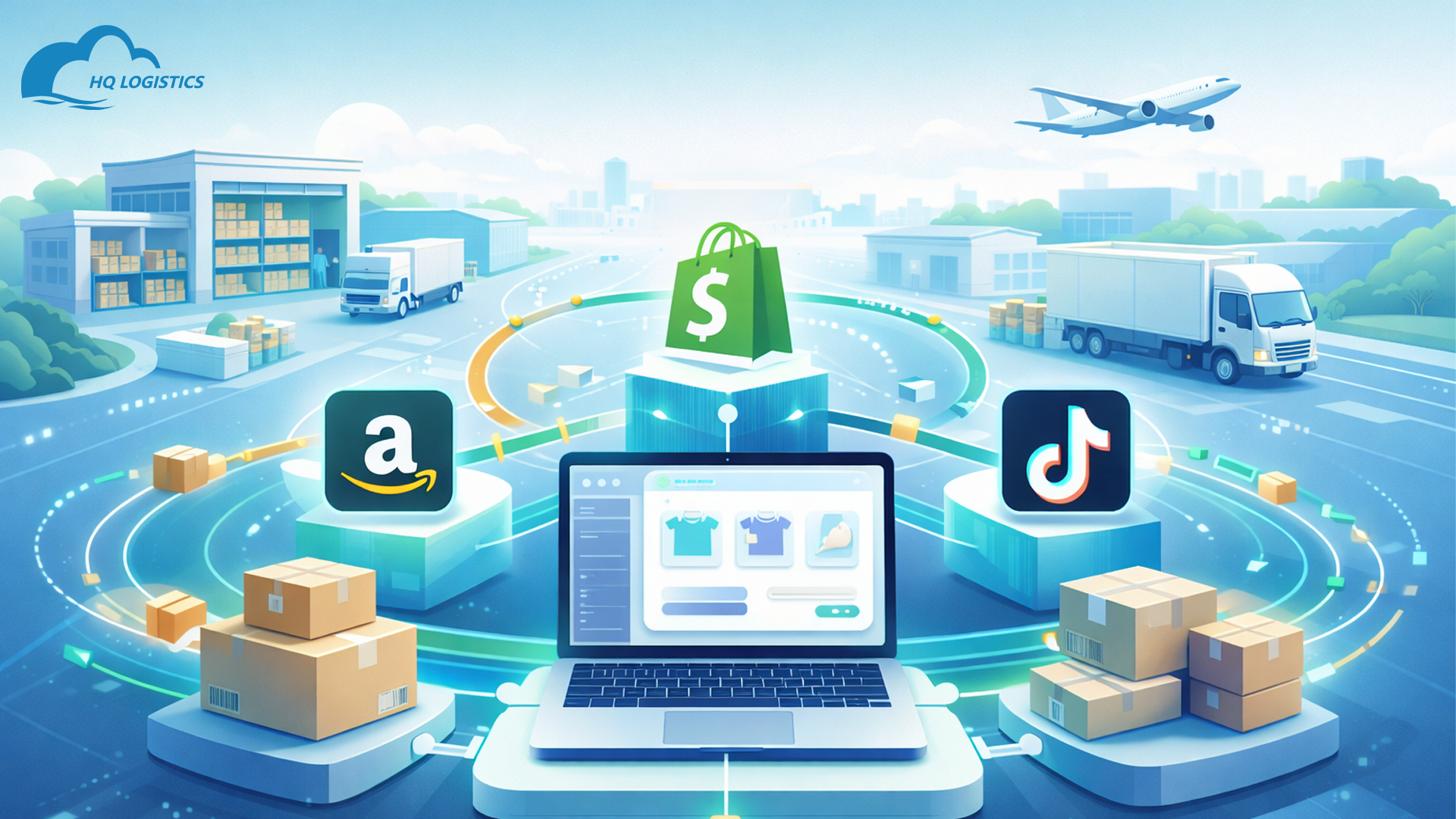
You sell on multiple platforms
But fulfill orders from one centralized system
Example:
- Shopify store
- Amazon store
- TikTok Shop
All connected to:
👉 One fulfillment backend
Why Most Sellers Fail at Multi-Channel
They try to manage everything manually.
Common issues:
- Separate suppliers per channel
- No inventory sync
- Manual order processing
Result:
- Overselling
- Late shipments
- Customer complaints
Key Platforms to Combine
You don’t need everything.
Start with:
- Shopify → your main brand store
- Amazon → traffic + trust
- TikTok Shop → fast growth
Each platform plays a role.
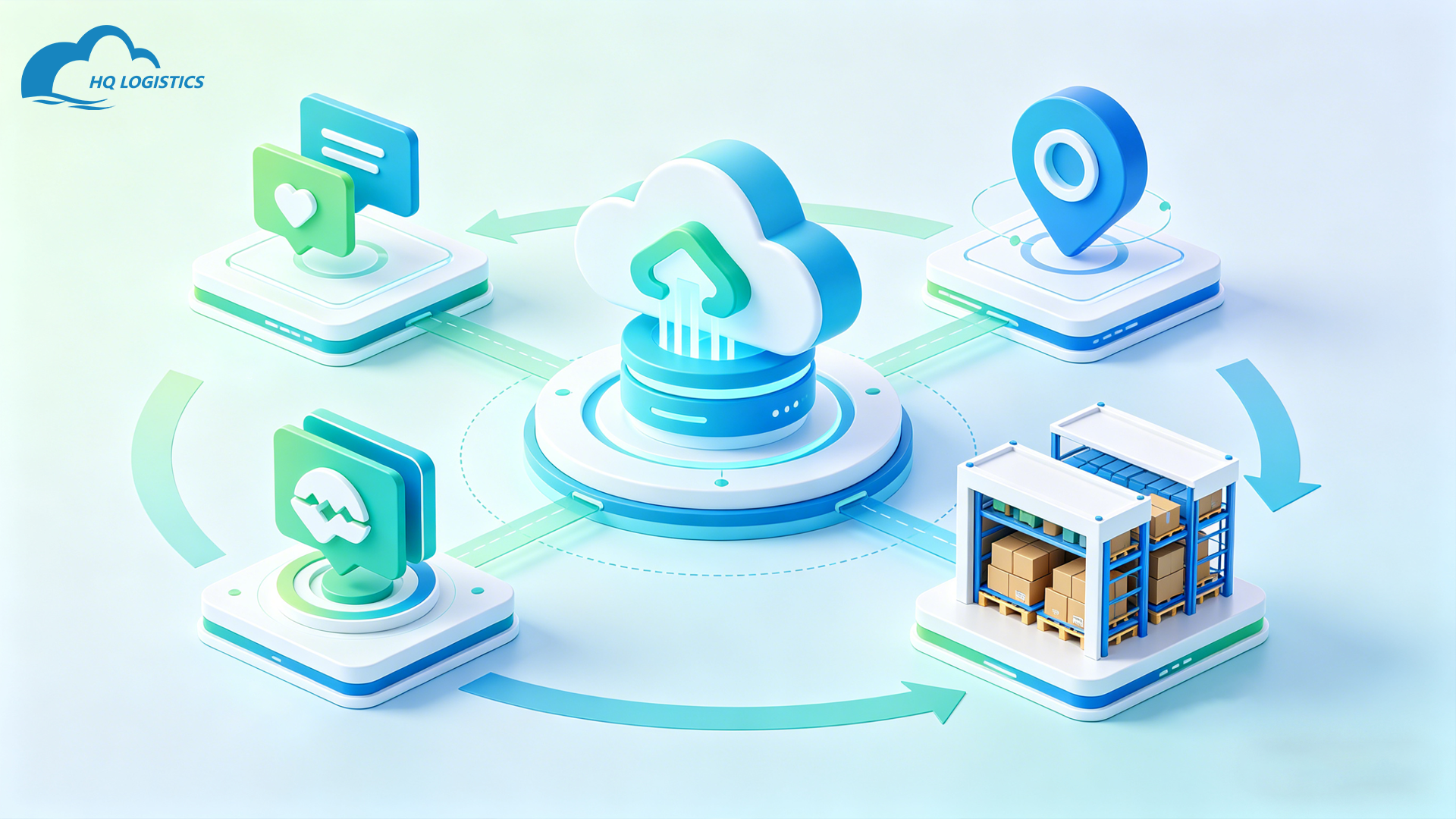
How Multi-Channel Fulfillment Works
Here’s the simple flow:
- Customer places order (any platform)
- Order syncs automatically
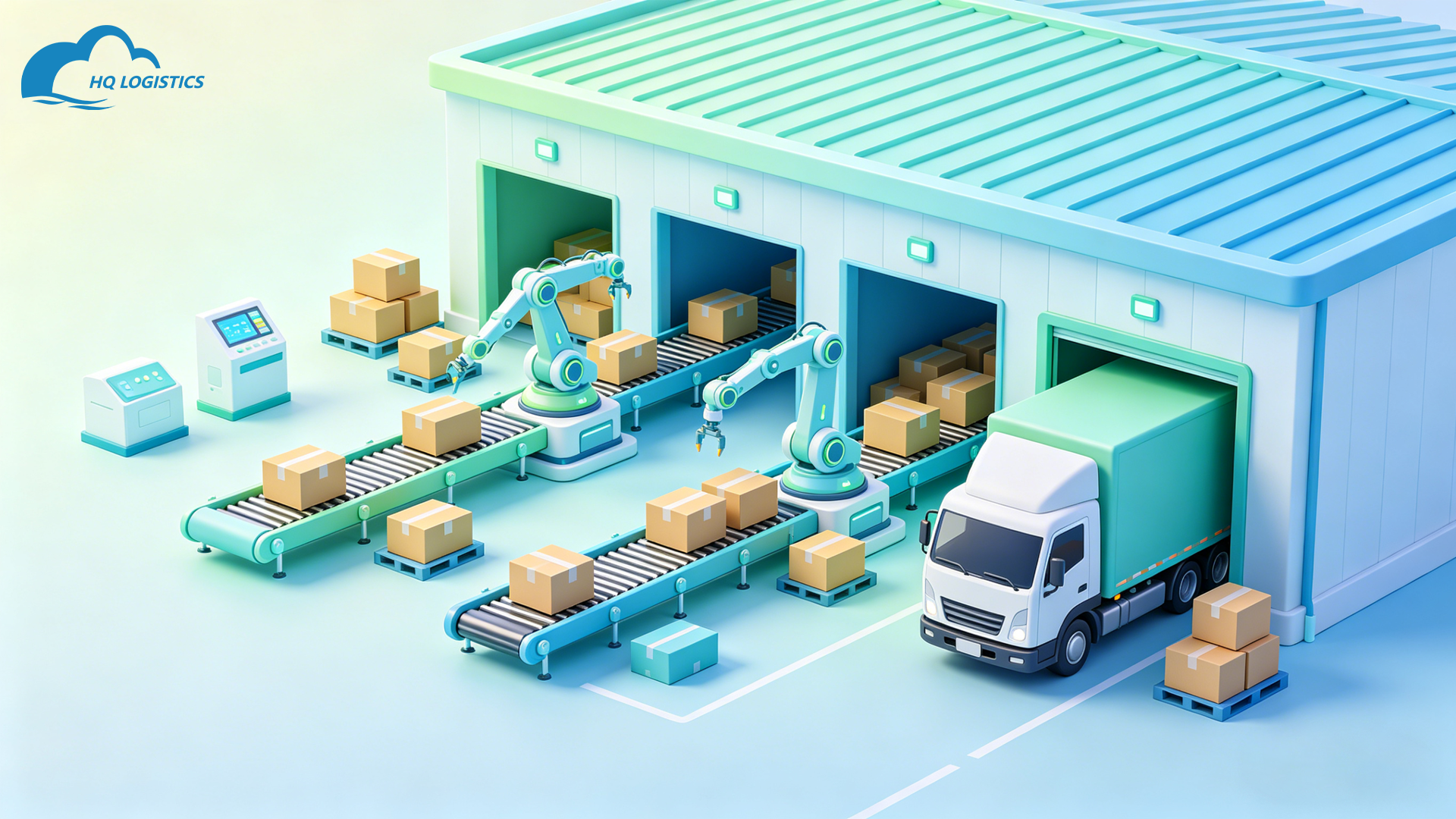
- Fulfillment center processes it
- Tracking updates sent back
No manual work.
1. Centralize Your Inventory
This is step one.
You need:
- One inventory system
- Real-time stock updates
This prevents:
- Overselling
- Stock confusion
2. Use Automation Tools
Automation connects everything.
What it does:
- Sync orders
- Update stock
- Send tracking
Without it:
You’ll burn out fast.
3. Choose the Right Fulfillment Partner
This is the backbone.
A good partner provides:
- Fast processing
- Stable shipping
- Multi-channel integration
At HQ Dropshipping, we help sellers:
- Connect multiple sales channels
- Manage fulfillment in one system
- Scale without operational stress
4. Optimize Shipping Across Channels
Different platforms = different expectations.
Example:
- Amazon → faster delivery required
- Shopify → more flexibility
- TikTok → trend-driven speed
Your strategy should adapt.
A Quick Story
One seller expanded to:
- Shopify
- Amazon
- TikTok
Sales increased—but so did problems:
- Orders missed
- Inventory mismatched
- Shipping delays
We helped them centralize fulfillment.
Result:
- Orders synced automatically
- Inventory accurate
- Delivery improved
Same business.
Better system.
Common Mistakes to Avoid
Don’t do this:
- Using different suppliers for each platform
- No inventory tracking system
- Manual fulfillment
- Ignoring shipping differences
These kill scalability.
Simple Multi-Channel Strategy
Keep it clean:
- Start with 2–3 platforms
- Centralize inventory
- Automate everything
- Upgrade fulfillment early
How We Do It at HQ Dropshipping
At HQ Dropshipping, we support:
- Multi-platform integration
- Centralized inventory management
- Automated order processing
- Fast global shipping
So you don’t just sell more.
You manage it better.
FAQs
What is multi-channel fulfillment?
It’s managing orders from multiple platforms in one system.
Do I need automation tools?
Yes, especially when scaling across channels.
Can I use one supplier for all platforms?
Yes, and it’s recommended for consistency.
Is multi-channel selling worth it?
Yes, it increases reach and reduces risk.
Final
Selling on multiple platforms is powerful.
But only if your backend can handle it.
The right multi-channel fulfillment setup helps you:
- Scale faster
- Reduce errors
- Improve customer experience
At HQ Dropshipping, we help sellers build systems that support growth across platforms.
Because more sales channels shouldn’t mean more chaos.