Inventory Management Tips for Dropshipping Businesses
Inventory Management Tips for Dropshipping Businesses
Inventory management is one of the most overlooked factors in dropshipping success.
Many sellers assume dropshipping means zero inventory responsibility.
But in reality, poor inventory management leads to:
- Overselling
- Delayed fulfillment
- Refunds and chargebacks
- Negative customer experiences
👉 If you want to scale your dropshipping business, you need to manage inventory smarter — not ignore it.
Why Inventory Management Matters in Dropshipping
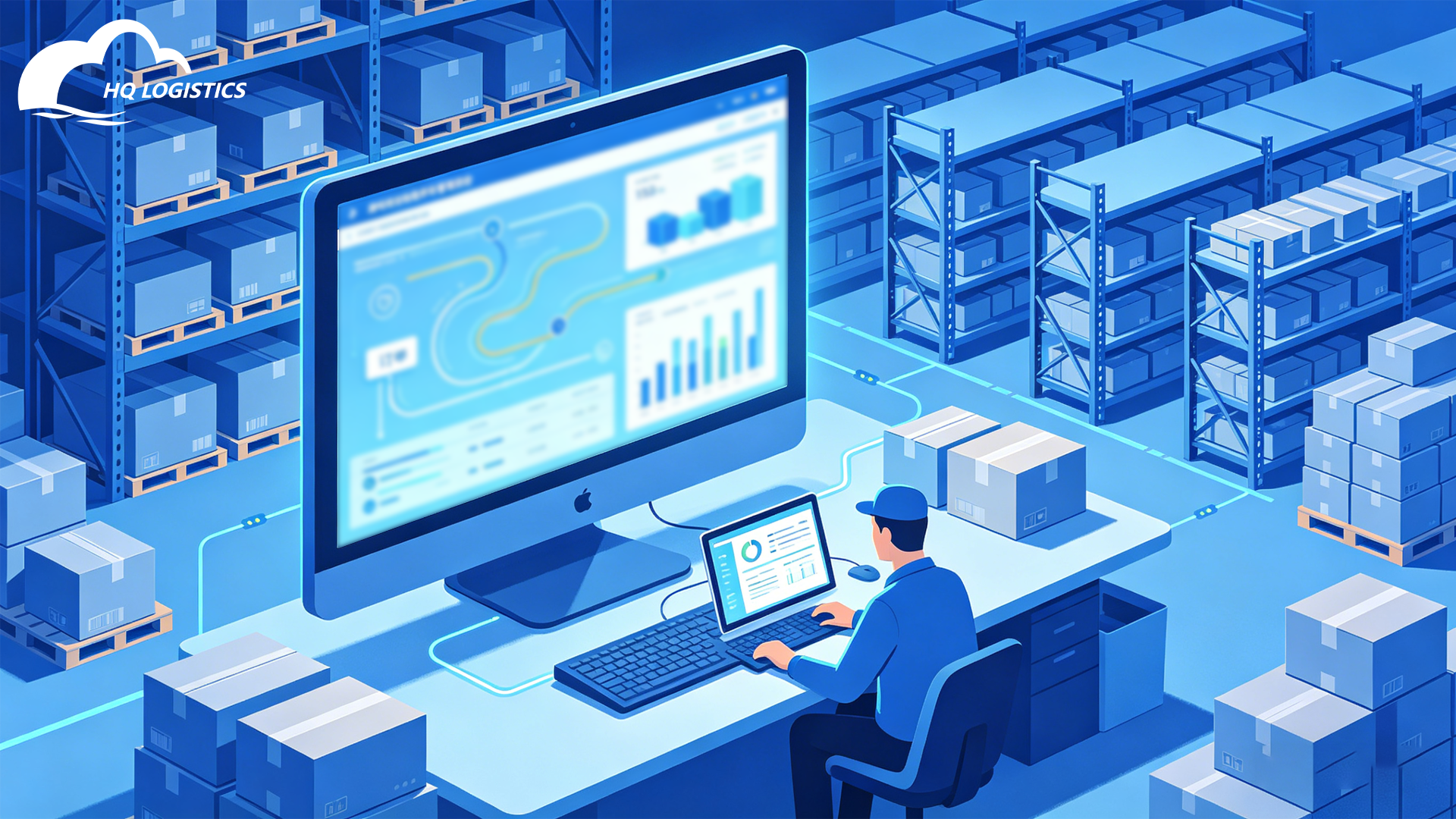
Even if you don’t physically hold stock, your business still depends on:
- Supplier inventory availability
- Accurate product listings
- Fast and reliable fulfillment
In dropshipping, inventory is not what you own —
it’s what you can reliably sell and deliver.
If your inventory data is wrong:
👉 Customers will buy products that are out of stock
👉 Orders will be canceled or delayed
👉 Your store reputation will suffer
Common Inventory Challenges Dropshippers Face
Before improving your system, it’s important to understand typical problems:
1. Overselling Products
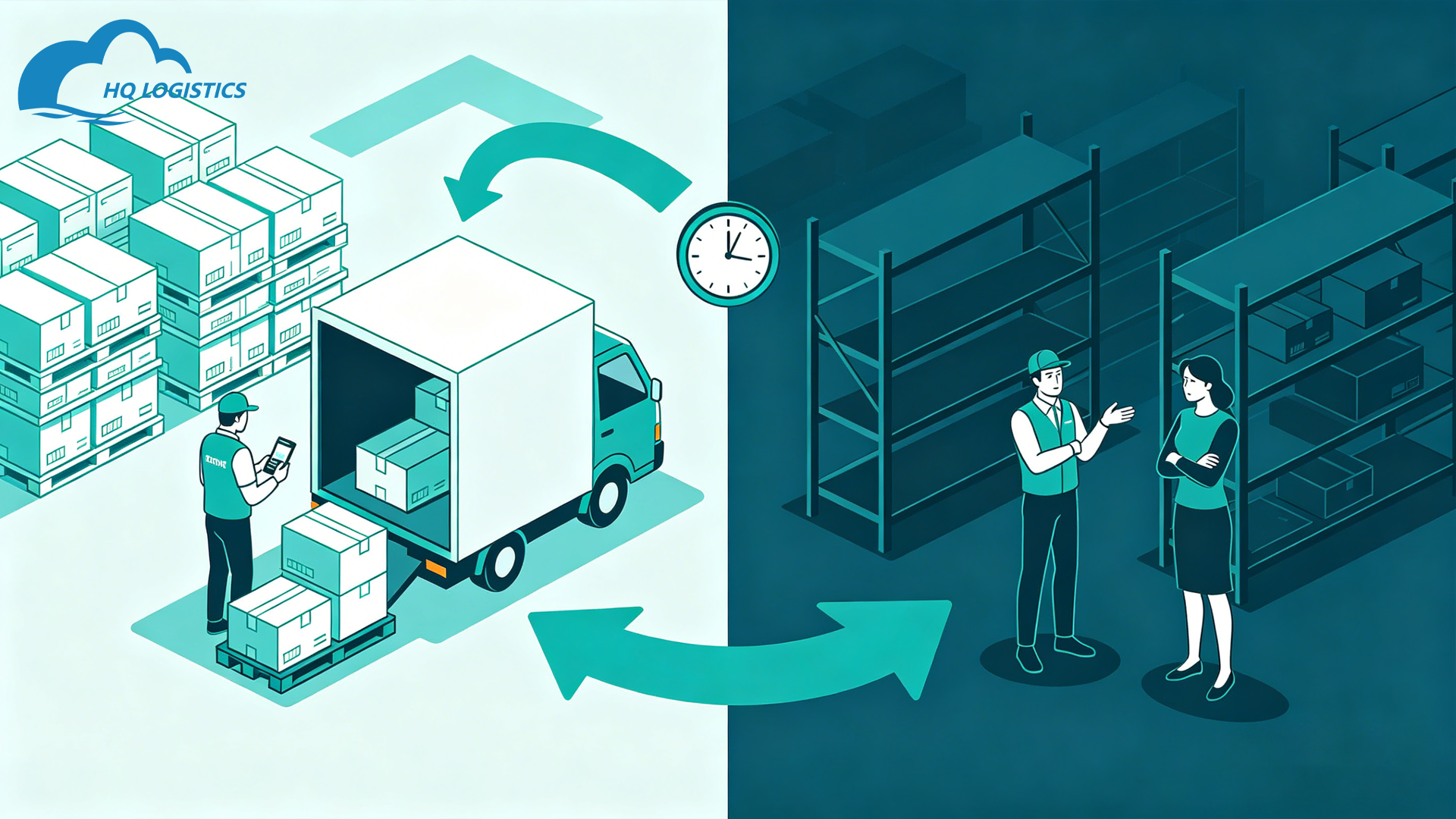
Your store shows “available,” but the supplier has already run out.
2. Slow Inventory Updates
Stock levels are not synced in real time.
3. Unreliable Suppliers
Suppliers may suddenly change stock levels, prices, or shipping times.
4. Too Many Products
Managing hundreds of SKUs without a system leads to chaos.
👉 These issues don’t just affect operations — they directly impact your profits.
6 Practical Inventory Management Tips
1. Use Real-Time Inventory Sync
Manual updates are not scalable.
Use automation tools or integrate with a fulfillment partner to:
- Sync inventory levels automatically
- Update product availability instantly
- Reduce overselling risks
👉 Real-time data = better decisions and fewer mistakes.
2. Work with Backup Suppliers
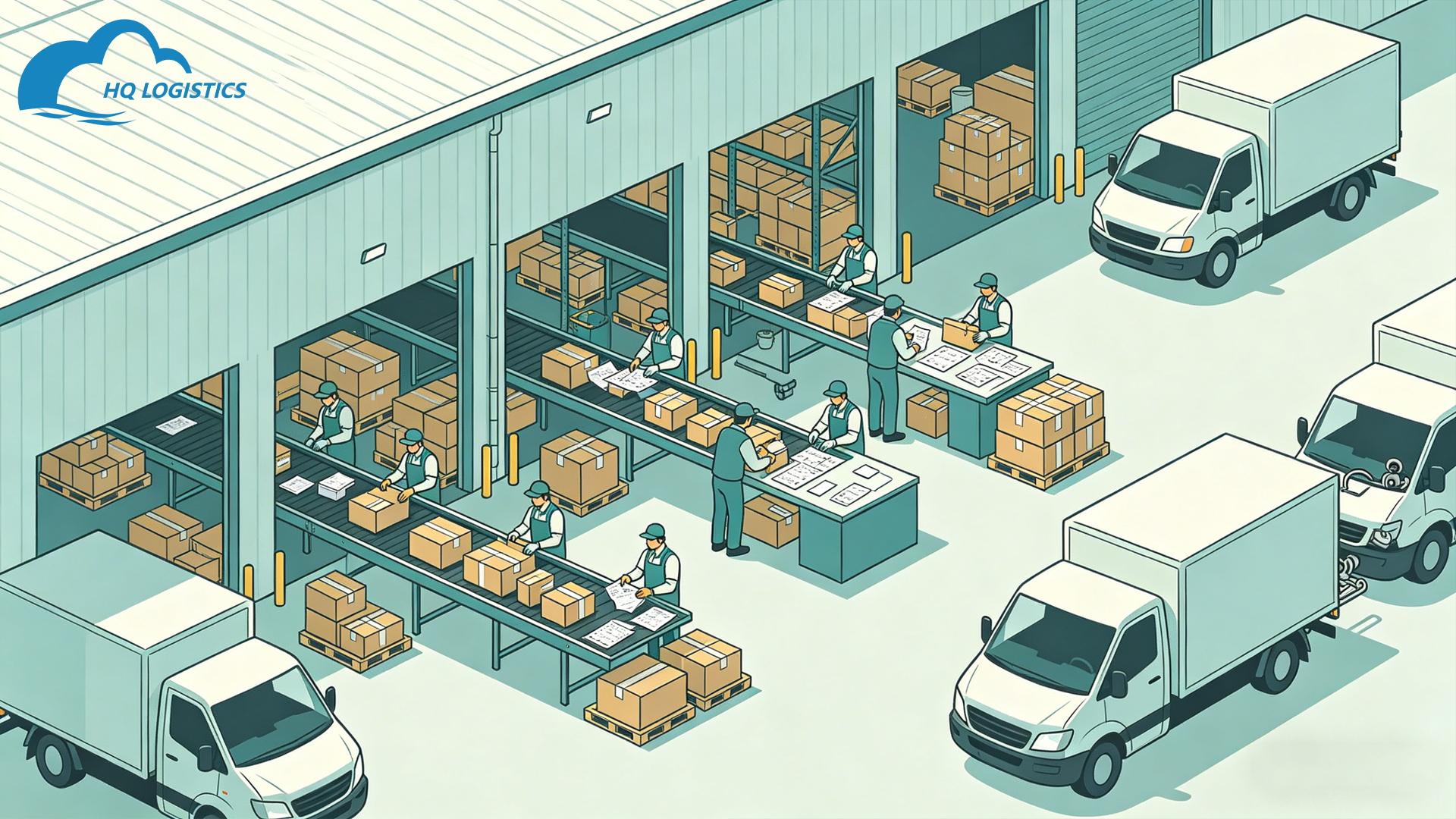
Relying on a single supplier is risky.
Instead:
- Source the same product from multiple suppliers
- Keep backup options ready
- Switch quickly when stock runs out
👉 This ensures continuity even when one supplier fails.
3. Set Safety Stock Buffers
Never sell based on full supplier inventory.
Example:
- Supplier has 100 units
- You only list 70–80 units
This buffer protects you from:
- Sudden stock changes
- Order spikes
- Supplier delays
4. Focus on Winning Products
Not all products deserve equal attention.
Identify:
- Best-selling products
- High-margin items
- Consistent performers
Prioritize managing inventory for these products first.
👉 Scaling fewer winning products is more effective than managing hundreds of random items.
5. Organize SKUs Properly
Each product variant (size, color, bundle) should have a unique SKU.
A clean SKU system helps:
- Prevent fulfillment errors
- Improve tracking accuracy
- Simplify automation
👉 Without proper SKU management, your operations will break as you scale.
6. Forecast Demand (Keep It Simple)
You don’t need complex tools to start.
Track:
- Weekly sales trends
- Seasonal spikes
- Marketing campaigns
This helps you:
- Prepare for demand increases
- Avoid stockouts
- Plan inventory allocation
Scaling Tip: Move to a 3PL When You Grow
Pure dropshipping works well at the beginning.
But as your business grows, you need:
- Faster shipping
- Better inventory control
- More stable fulfillment
That’s where a 3PL partner like HQ CLOUD can help.
With a 3PL solution, you can:
- Stock fast-selling products in advance
- Process orders faster
- Reduce shipping times globally
- Improve customer satisfaction
👉 This hybrid model (dropshipping + 3PL) is what many successful brands use to scale.
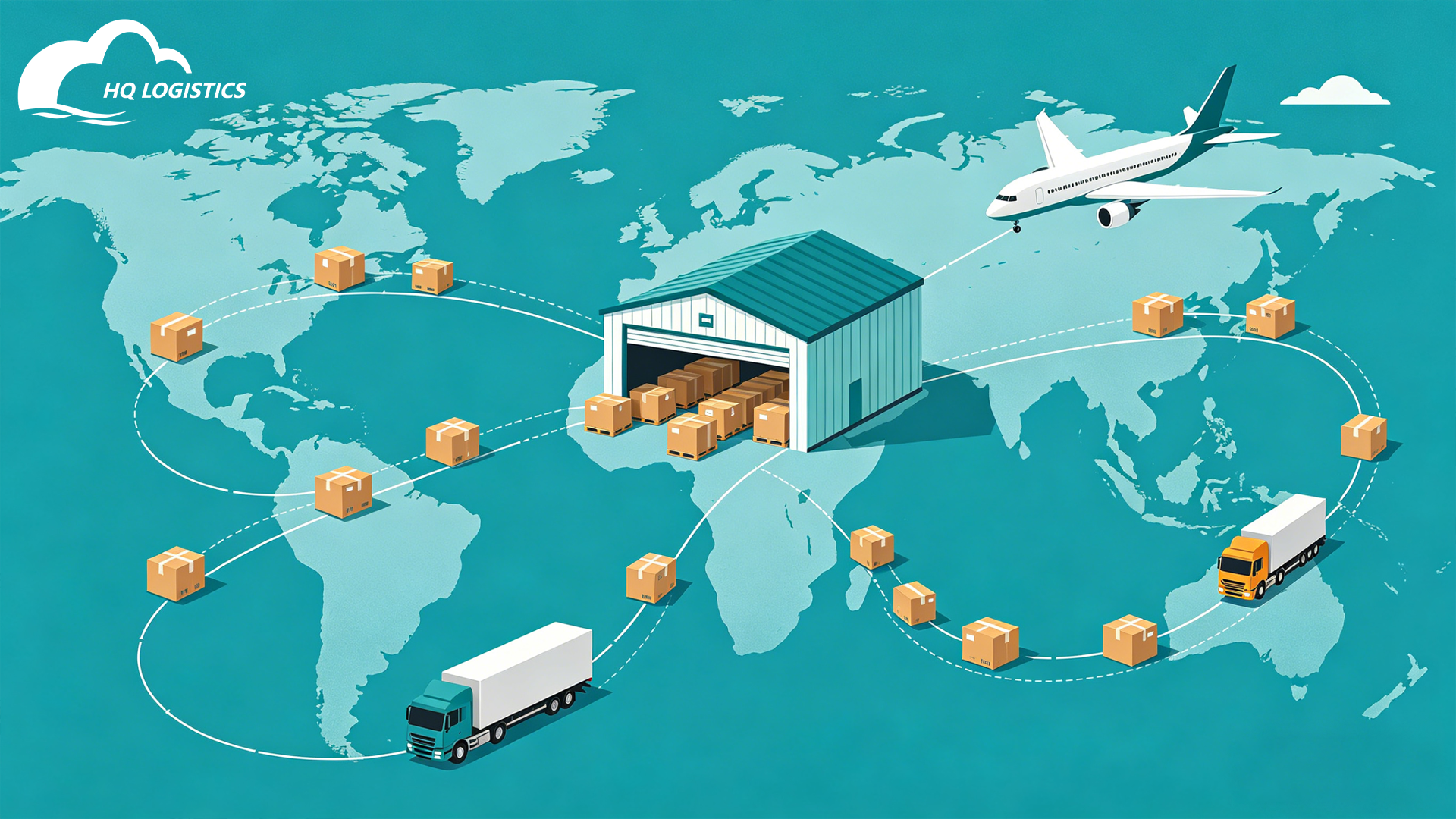
A Simple Inventory Workflow
Here’s a basic system you can follow:
- Import products from reliable suppliers
- Enable real-time inventory syncing
- Set safety stock limits
- Monitor best-sellers weekly
- Add backup suppliers
- Move winning products to 3PL fulfillment
👉 This creates a stable and scalable inventory system.
FAQs
Do dropshippers need inventory management?
Yes. You don’t hold stock, but you must manage supplier inventory data.
How can I avoid overselling?
Use real-time syncing and set safety stock buffers.
When should I use a 3PL?
When you have consistent sales and want faster, more reliable shipping.
Should I list many products?
No. Focus on a smaller number of high-performing products.
Final Thoughts
Inventory management is not optional in dropshipping.
👉 It’s the foundation of a sustainable business.
Instead of focusing only on ads and traffic:
Focus on:
- Inventory accuracy
- Supplier reliability
- Fulfillment efficiency
Because in the long run:
👉 The brands that manage inventory well are the ones that scale.